1. Industry Overview: Why Digital Marketing for Manufacturing Companies Is Becoming Essential
The manufacturing industry is undergoing a significant transformation. Businesses that once depended primarily on traditional sales networks, distributors, trade exhibitions, referrals, and direct relationships are increasingly exploring digital platforms to reach potential customers and expand their market presence.
Today, buyers often research manufacturers online before contacting them. They compare products, explore company websites, evaluate product specifications, check brand credibility, and look for suppliers who can meet their requirements.
This shift has made digital marketing for manufacturing companies an important part of modern business development.
Whether a company manufactures mattresses, furniture, industrial machinery, construction materials, packaging products, electrical equipment, or consumer goods, having a strong digital presence can help it connect with a wider audience.
However, marketing a manufacturing business is different from promoting an ordinary retail brand. Manufacturers often need to reach multiple audience groups, including:
Wholesale buyers and bulk purchasers.
Dealers and distributors.
Retailers and resellers.
Business owners and procurement managers.
Architects, contractors, and project developers.
End consumers, depending on the product category.
This is why manufacturing digital marketing services should focus on understanding the manufacturer's business model, target market, product range, distribution network, and sales objectives.
A well-planned strategy can combine search engine optimisation, social media marketing, paid advertising, content creation, website optimisation, and lead generation to improve online visibility and create business opportunities.
For manufacturers looking to compete in an increasingly digital marketplace, investing in digital marketing for the manufacturing industry is no longer simply an additional promotional activity. It is an opportunity to build a stronger brand, reach relevant buyers, and support long-term business growth.
2. Current Challenges Faced by Manufacturing Companies
Manufacturing companies may have excellent products, production capabilities, and distribution networks, but reaching the right audience remains a major challenge.
Traditional marketing methods can still be valuable, but depending exclusively on them may limit a business's ability to reach new markets and generate enquiries consistently.
Let's understand some of the common challenges manufacturers face.
A. Limited Online Visibility
Many manufacturing businesses have an established offline presence but limited visibility on search engines and digital platforms.
When potential buyers search for a product or supplier online, businesses without an optimised website or digital presence may struggle to appear in relevant search results.
A suitable digital marketing agency for manufacturers can help businesses improve their online visibility through SEO, content marketing, website optimisation, and digital advertising.
B. Difficulty Generating Quality Business Leads
Generating enquiries is not enough. Manufacturing companies need enquiries from people who are genuinely interested in purchasing products, placing bulk orders, becoming distributors, or establishing business relationships.
Without a structured marketing strategy, businesses may receive irrelevant enquiries or struggle to convert website visitors into potential customers.
Effective lead generation requires a combination of audience targeting, persuasive content, suitable landing pages, and follow-up processes.
C. Reaching Dealers and Distributors
For manufacturers that operate through dealer and distributor networks, expanding market reach is an important business objective.
Finding suitable distribution partners in new cities and regions can be challenging without targeted marketing.
Digital campaigns can help manufacturers introduce their products to relevant business audiences and encourage potential dealers or distributors to make enquiries.
D. Increasing Competition in the Digital Marketplace
Manufacturing businesses are competing not only with local manufacturers but also with established national and international brands.
Potential buyers can compare products, prices, specifications, and suppliers online. Businesses with weak digital communication may find it difficult to establish their credibility.
This makes professional branding, website development, product presentation, and consistent digital communication important.
E. Lack of a Structured Digital Marketing Strategy
Some businesses maintain social media accounts or occasionally run advertisements without having a clear marketing plan.
For example, a manufacturer may invest in social media promotions but fail to optimise its website, track enquiries, or identify which campaigns generate useful business opportunities.
Working with professional digital marketing company teams can help manufacturers establish a coordinated strategy across different digital channels.
F. Difficulty Measuring Marketing Performance
Manufacturers need to understand whether their marketing investments are generating meaningful outcomes.
Without proper tracking, it becomes difficult to identify:
Which advertising campaigns generate enquiries.
Which products attract the most attention.
Which locations produce relevant leads.
Which marketing channels perform effectively.
How much the business spends to acquire an enquiry.
Which enquiries eventually become customers.
A performance-focused approach helps businesses evaluate marketing activities and make informed decisions.
3. Key Features Manufacturing Businesses Need in a Digital Marketing Strategy
Every manufacturing business has different marketing requirements. A mattress manufacturer may need to reach retailers and consumers, while an industrial machinery manufacturer may focus on procurement managers, dealers, and B2B buyers.
An effective marketing plan should be developed around the business's target audience and commercial objectives.
Here are the essential services manufacturers should consider.
A. Search Engine Optimisation (SEO)
SEO helps manufacturing companies improve their visibility when potential buyers search for relevant products, services, or suppliers.
For example, a machinery manufacturer may want to appear for searches related to industrial equipment, while a furniture manufacturer may target buyers searching for furniture suppliers.
A structured SEO strategy can include:
Industry-specific keyword research.
Product and category page optimisation.
Website content optimisation.
Technical SEO.
Local SEO.
Relevant industry content creation.
Website performance improvements.
Search visibility monitoring.
Businesses searching for seo online marketing companies should look for agencies that understand both search optimisation and the commercial intent behind industry-specific keywords.
A suitable local seo agency can also help manufacturers improve visibility in relevant geographical markets.
B. Google Ads and Pay-Per-Click Advertising
Paid advertising can help manufacturers reach potential buyers who are actively searching for specific products or suppliers.
Google Ads can be useful for targeting searches related to product categories, industrial solutions, manufacturing services, and supplier requirements.
A well-managed campaign may include:
Search advertising.
Location-based targeting.
Product-specific campaigns.
Keyword targeting.
Dedicated landing pages.
Conversion tracking.
Campaign performance analysis.
Working with ppc advertising agencies can help businesses plan and manage campaigns based on their objectives and available budgets.
A professional google ad management agency should also monitor search terms, campaign performance, audience relevance, and conversion data rather than focusing only on clicks.
C. Social Media Marketing for Manufacturing Brands
Social media is not limited to lifestyle and retail businesses. Manufacturing companies can also use social platforms to showcase products, demonstrate production capabilities, introduce their teams, and communicate their brand values.
A structured online social media marketing strategy may include:
Product showcase posts.
Manufacturing process videos.
Factory and infrastructure presentations.
Product demonstrations.
Customer testimonials, where available.
Company announcements.
Dealer and distributor communication.
Educational industry content.
Platforms such as Facebook, Instagram, LinkedIn, and YouTube can serve different communication objectives depending on the target audience.
D. Meta Ads and Facebook Advertising
Meta advertising can help manufacturers reach specific consumer and business audiences through Facebook and Instagram.
For example, a mattress manufacturer may want to promote its products among consumers, retailers, or potential distribution partners.
A suitable Meta Ads agency can help businesses plan campaigns based on their target locations, audience segments, products, and enquiry objectives.
Facebook advertising services may include:
Brand awareness campaigns.
Product promotion.
Lead generation campaigns.
Website traffic campaigns.
Retargeting.
Creative development.
Audience testing.
Campaign performance tracking.
Businesses looking for facebook paid advertising services or a facebook advertising service should prioritise relevant targeting, compelling creatives, and measurable campaign objectives.
E. Content Marketing and Video Marketing
Manufacturing products often require explanation. Potential buyers may want to understand product specifications, materials, applications, manufacturing processes, quality standards, and business capabilities.
Content marketing helps communicate this information through useful and informative content.
Examples include:
Product-related blogs.
Manufacturing process articles.
Product comparison content.
Frequently asked questions.
Product demonstration videos.
Factory introduction videos.
Industry insights.
Educational social media content.
A professional content strategy can help businesses establish industry credibility and support their SEO efforts.
Video marketing is particularly useful for demonstrating products and manufacturing processes. Companies may consider working with a video marketing agency Kolkata or a youtube marketing agency in Kolkata to plan and produce suitable video content.
F. Website Development and Landing Page Optimisation
A manufacturing company's website is often the first detailed source of information a potential buyer explores.
A professional website should communicate:
Company introduction.
Manufacturing capabilities.
Product categories.
Product specifications.
Industry applications.
Certifications and credentials, where applicable.
Dealer and distributor information.
Enquiry forms.
Contact details.
A properly structured website can help convert visitors into business enquiries.
It should also be mobile-friendly, easy to navigate, and optimised for search engines.
G. Lead Generation and Enquiry Management
A successful marketing strategy should make it easy for potential buyers to contact the business.
Lead generation activities can include:
Website enquiry forms.
Google Ads lead campaigns.
Meta lead generation campaigns.
WhatsApp enquiry integration.
Product-specific landing pages.
Distributor registration forms.
Retargeting campaigns.
CRM-based lead tracking.
For manufacturers, the objective should be to generate relevant enquiries rather than simply increase the total number of leads.
4. How Technology Solves Digital Marketing Challenges for Manufacturers
Modern marketing technology allows manufacturers to understand their audiences, monitor campaign performance, manage enquiries, and improve their marketing strategies.
Combining digital platforms with suitable tracking and automation tools can make marketing activities more organised and measurable.
A. Marketing Analytics and Performance Tracking
Analytics tools help businesses understand how visitors interact with their websites and marketing campaigns.
Manufacturers can monitor:
Website visitors.
Traffic sources.
Product page engagement.
Enquiry form submissions.
Advertising conversions.
Campaign performance.
Location-based audience activity.
These insights help businesses understand which marketing channels contribute to their objectives.
B. CRM Integration for Better Lead Management
Generating an enquiry is only the beginning of the sales process.
A Customer Relationship Management system can help manufacturers organise enquiries, assign leads to sales representatives, schedule follow-ups, and maintain customer communication records.
For example, a manufacturer receiving dealer enquiries from multiple cities can use a CRM system to organise those enquiries and monitor their follow-up status.
This can improve coordination between marketing and sales teams.
C. Marketing Automation
Automation can reduce repetitive administrative work and improve communication with potential customers.
Depending on the business requirements, automation may support:
Automated enquiry notifications.
Lead assignment.
Follow-up reminders.
Email communication.
WhatsApp notifications.
Lead status updates.
Campaign reporting.
These capabilities can make digital marketing operations more efficient.
D. Data-Driven Advertising Optimisation
Digital advertising platforms provide information about impressions, clicks, audience engagement, and conversions.
By analysing this data, marketers can identify which campaigns, creatives, keywords, and audience segments are performing better.
A suitable performance based ppc agency focuses on evaluating campaign performance against meaningful business objectives.
The objective is not simply to generate website traffic but to improve the relevance and quality of marketing outcomes.
E. Integrated Digital Marketing Solutions
Manufacturers often need multiple marketing services working together.
For example, SEO can improve organic visibility, Google Ads can target active searches, social media can build brand awareness, and content marketing can educate potential buyers.
An integrated strategy developed by a local digital marketing company can help businesses maintain consistent messaging across these channels.
5. Industry Trends: The Future of Digital Marketing for Manufacturing Companies
The manufacturing sector is becoming more digitally connected, and marketing strategies are evolving accordingly.
Businesses that adapt to changing buyer behaviour and technology can create stronger opportunities to reach their target markets.
A. Search-Driven B2B Marketing
Potential buyers increasingly use search engines to identify manufacturers, compare products, and research suppliers.
This makes SEO, product page optimisation, and informative website content important components of manufacturing marketing.
B. LinkedIn and Professional Audience Targeting
LinkedIn provides manufacturers with an opportunity to communicate with professionals, business owners, procurement teams, and industry decision-makers.
Businesses can use the platform to share company updates, product information, industry knowledge, and business developments.
C. Video-Based Product Marketing
Video content can demonstrate product features, manufacturing processes, equipment functionality, and quality-control activities.
This can help buyers understand products more clearly than text or static images alone.
D. AI-Assisted Marketing
Artificial intelligence is increasingly being used to support marketing activities such as content planning, audience analysis, campaign optimisation, and customer communication.
When implemented appropriately, AI tools can support marketing teams by improving efficiency and helping them analyse large volumes of information.
However, human review remains important for product accuracy, technical claims, and brand communication.
E. Performance-Focused Digital Advertising
Manufacturers are becoming more interested in understanding the commercial value of their marketing investments.
Instead of measuring success only through impressions and engagement, businesses increasingly evaluate enquiries, qualified leads, acquisition costs, and sales opportunities.
This makes data-driven campaign planning and ongoing optimisation essential.
F. Location-Based and Distributor Marketing
Manufacturers looking to expand into new regions can use location-based campaigns and targeted content to reach potential dealers, distributors, and customers.
This approach can be particularly valuable for companies planning to expand beyond their existing geographical markets.
6. Real Project Example: Digital Marketing for The Reveal Mattress by BrandIT Consultancy
A digital marketing strategy becomes more meaningful when it is developed around the actual requirements of a business.
At BrandIT Consultancy, we have worked on digital marketing for The Reveal Mattress, a mattress manufacturing company.
The project reflects how digital marketing can support a manufacturing brand in presenting its products and building its presence in the digital marketplace.
Unlike businesses that sell only through conventional offline channels, manufacturing brands can use digital platforms to communicate product information, establish brand recognition, and reach potential buyers across relevant markets.
For a mattress manufacturing business, digital marketing can support several important objectives:
A. Building Mattress Brand Awareness
A strong digital presence helps introduce a mattress brand to potential customers and create recognition around its products.
Consistent visual communication and product-focused content can help the brand maintain a recognisable identity across digital channels.
B. Presenting Products Effectively
Mattresses are products where buyers may consider comfort, materials, construction, design, and product features before making a purchase.
Digital content can help communicate these product characteristics through informative posts, visuals, and promotional material.
C. Reaching Relevant Customer Segments
A mattress manufacturer may have different audience groups, including individual buyers, furniture retailers, mattress dealers, and distributors.
Digital marketing can help a business plan its communication according to these different audiences.
D. Strengthening the Digital Brand Presence
Consistent marketing communication helps maintain brand visibility and provides potential customers with opportunities to discover the company and its products online.
The Reveal Mattress project demonstrates BrandIT's involvement in digital marketing for a manufacturing business and our understanding of the importance of product-focused brand communication.
Explore BrandIT's digital marketing portfolio:
https://branditconsultancy.in/portfolio.php?page=3&id=3
7. Frequently Asked Questions About Digital Marketing for Manufacturing Companies
Q1. Why do manufacturing companies need digital marketing?
Manufacturing companies need digital marketing to improve online visibility, reach potential buyers, promote their products, generate enquiries, and build brand recognition.
It can also help businesses connect with dealers, distributors, retailers, and B2B customers beyond their existing markets.
Q2. Which digital marketing services are best for manufacturing companies?
The most suitable services depend on the company's products, target audience, and business objectives.
Common services include:
Search engine optimisation.
Google Ads.
Social media marketing.
LinkedIn marketing.
Meta advertising.
Content marketing.
Video marketing.
Website development.
B2B lead generation.
Marketing analytics.
An integrated strategy can help manufacturers reach different audience groups through suitable channels.
Q3. How can digital marketing generate leads for manufacturers?
Digital marketing can generate enquiries through search engine visibility, targeted advertisements, product landing pages, social media campaigns, and lead generation forms.
Manufacturers can also use CRM systems to organise enquiries and manage follow-ups.
The quality of leads depends on targeting, product demand, pricing, market conditions, and the effectiveness of the overall sales process.
Q4. How much does digital marketing cost for manufacturing companies?
Digital marketing services pricing depends on the services required, competition, campaign objectives, target locations, advertising budgets, and the complexity of the project.
For example, an SEO-focused strategy will have different requirements from a campaign involving SEO, Google Ads, Meta Ads, content creation, and video marketing.
Businesses should evaluate marketing costs based on their objectives, available budget, and expected business outcomes.
Q5. Is SEO important for manufacturing companies?
Yes. SEO helps manufacturers appear in relevant search results when potential buyers look for products, suppliers, and manufacturing services.
A good SEO strategy can include product keyword research, website optimisation, technical improvements, industry-specific content, and local SEO.
Q6. Are Google Ads effective for manufacturing businesses?
Google Ads can be useful when potential buyers actively search for specific products, suppliers, or manufacturing services.
Campaigns should target relevant search terms, locations, and audiences. Proper conversion tracking is also important for evaluating performance.
Q7. Can social media marketing help industrial and manufacturing companies?
Yes. Social media can help manufacturers showcase products, demonstrate production capabilities, share company updates, communicate with business audiences, and improve brand recognition.
LinkedIn, Facebook, Instagram, and YouTube can serve different marketing purposes depending on the business.
Q8. How can manufacturers reach dealers and distributors online?
Manufacturers can use targeted digital campaigns, distributor enquiry landing pages, industry-specific SEO, LinkedIn marketing, and lead generation campaigns to connect with potential distribution partners.
The website should clearly communicate dealership opportunities, product categories, business information, and enquiry details.
Q9. How long does it take to see results from digital marketing?
The timeline depends on the marketing channel and business objectives.
Paid advertising can generate enquiries after campaigns become active, although results depend on targeting, budget, competition, and campaign quality.
SEO generally requires a longer-term approach because search visibility develops through ongoing optimisation, content development, and website improvements.
Q10. How do I choose the right digital marketing agency for my manufacturing business?
Before selecting an agency, consider:
Understanding of manufacturing and B2B audiences.
SEO and website marketing capabilities.
Paid advertising expertise.
Lead generation strategy.
Content and creative capabilities.
Campaign reporting and tracking.
Communication and transparency.
Understanding of your business goals.
A suitable agency should understand what the business wants to achieve rather than simply recommend promotional activities.
8. Why Choose BrandIT Consultancy for Digital Marketing for Manufacturing Companies?
Choosing the right marketing partner is an important decision for any manufacturing business. Your marketing strategy should reflect your products, target buyers, distribution model, competition, and long-term business objectives.
At BrandIT Consultancy, we approach digital marketing with a focus on business development and practical marketing requirements.
Whether you are a mattress manufacturer, furniture manufacturer, industrial equipment producer, or another manufacturing business, we can help you explore suitable digital marketing strategies.
Our Digital Marketing Capabilities Include:
Search Engine Optimisation (SEO): We help businesses improve their online visibility through keyword research, website optimisation, technical SEO, content planning, and local SEO.
Google Ads and PPC Management: We plan and manage paid search campaigns based on business objectives, audience targeting, and campaign performance.
Social Media Marketing: We develop social media content and marketing strategies that help businesses communicate their products, services, and brand identity.
Meta Advertising: We help businesses plan Facebook and Instagram advertising campaigns to reach relevant audiences and promote their products.
Content Marketing: We create content strategies that help businesses communicate product information, industry knowledge, and brand value.
Video Marketing: We help businesses explore video-based marketing for product demonstrations, brand communication, and digital promotion.
Website Development: We develop business websites that present company information, products, and services while supporting digital marketing objectives.
Lead Generation: We plan digital campaigns and enquiry-focused marketing activities to help businesses connect with potential customers.
Why Work With BrandIT Consultancy?
Business-focused marketing strategies.
SEO, advertising, and social media capabilities.
Creative design and content support.
Website development and digital marketing under one roof.
Marketing solutions aligned with business requirements.
Focus on brand visibility and relevant business enquiries.
If you are looking for an affordable marketing agency that understands the importance of business growth, BrandIT Consultancy can help you plan a suitable digital marketing approach.
Businesses searching for digital marketing company in Kolkata, digital marketing firms in Kolkata, or a professional marketing partner can connect with our team to discuss their requirements.
Our objective is to help businesses make better use of digital platforms and create stronger opportunities for growth.
9. Conclusion: Build a Stronger Manufacturing Business With Digital Marketing
The manufacturing industry is becoming increasingly competitive, and businesses need more than production capabilities to establish a strong market presence.
Reaching potential buyers, building brand recognition, generating enquiries, and expanding dealer and distributor networks require a planned approach to digital communication.
With the right combination of SEO, paid advertising, social media marketing, content creation, video marketing, and lead generation, manufacturers can improve their digital presence and connect with relevant audiences.
However, successful marketing is not about being present on every platform. It is about identifying where your potential buyers spend their time, understanding what they are searching for, and communicating your products effectively.
At BrandIT Consultancy, we believe digital marketing should support real business objectives. Our work with The Reveal Mattress reflects our involvement in helping a manufacturing brand strengthen its digital presence through marketing.
Whether you are looking to promote your products, reach new dealers, generate B2B enquiries, or improve your brand visibility, the right digital marketing strategy can help create new opportunities for your business.
Ready to take your manufacturing business further? Connect with BrandIT Consultancy and build a digital marketing strategy focused on visibility, enquiries, and business growth.
Explore our digital marketing portfolio:
https://branditconsultancy.in/portfolio.php?page=3&id=3
More Articles
Custom Website Development: A Step-by-Step Guide for Small Businesses
Custom web development enables small businesses to create unique online presences tailored to their specific needs and goals, instead of relying on pre-made templates. In addition, this comprehensive ...
Read all
What are the major components of Digital Marketing?
Why digital marketing?Every marketing strategy also includes a digital plan of action within it. Without factoring it in, no marketing goal can be executed now. When you include it, you get a wholesom...
Read all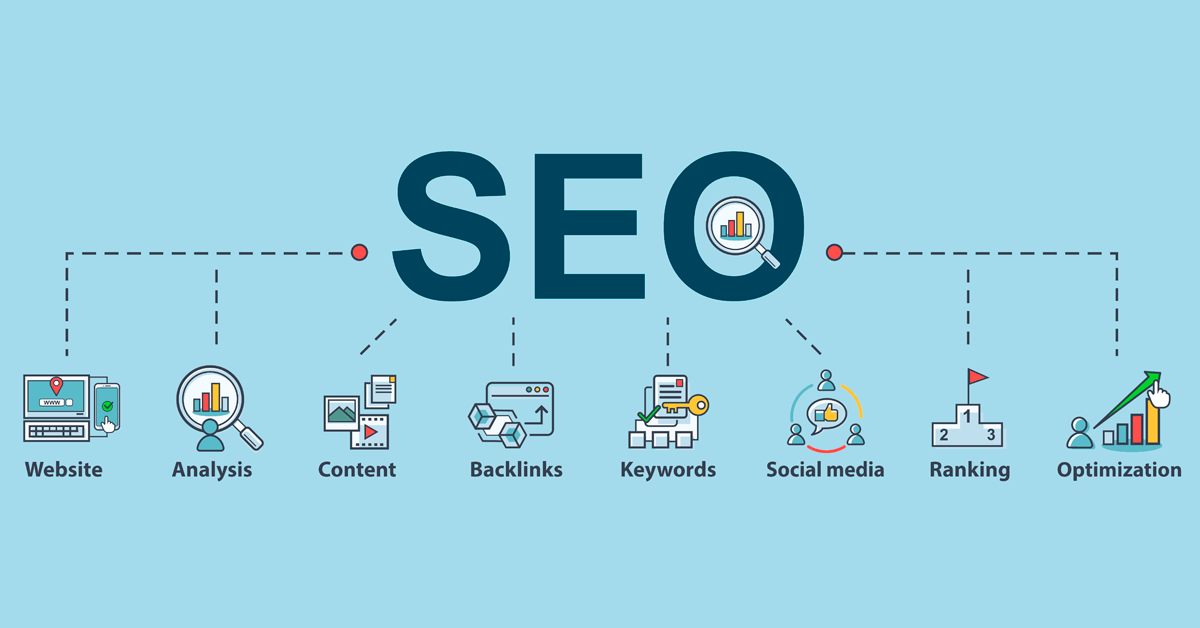
How SEO works for business
The Power of SEO in Business: A Comprehensive GuideIn the continuously evolving landscape of digital marketing, the competition to stand out is fierce. Amidst this digital crowd, how does one ensure t...
Read all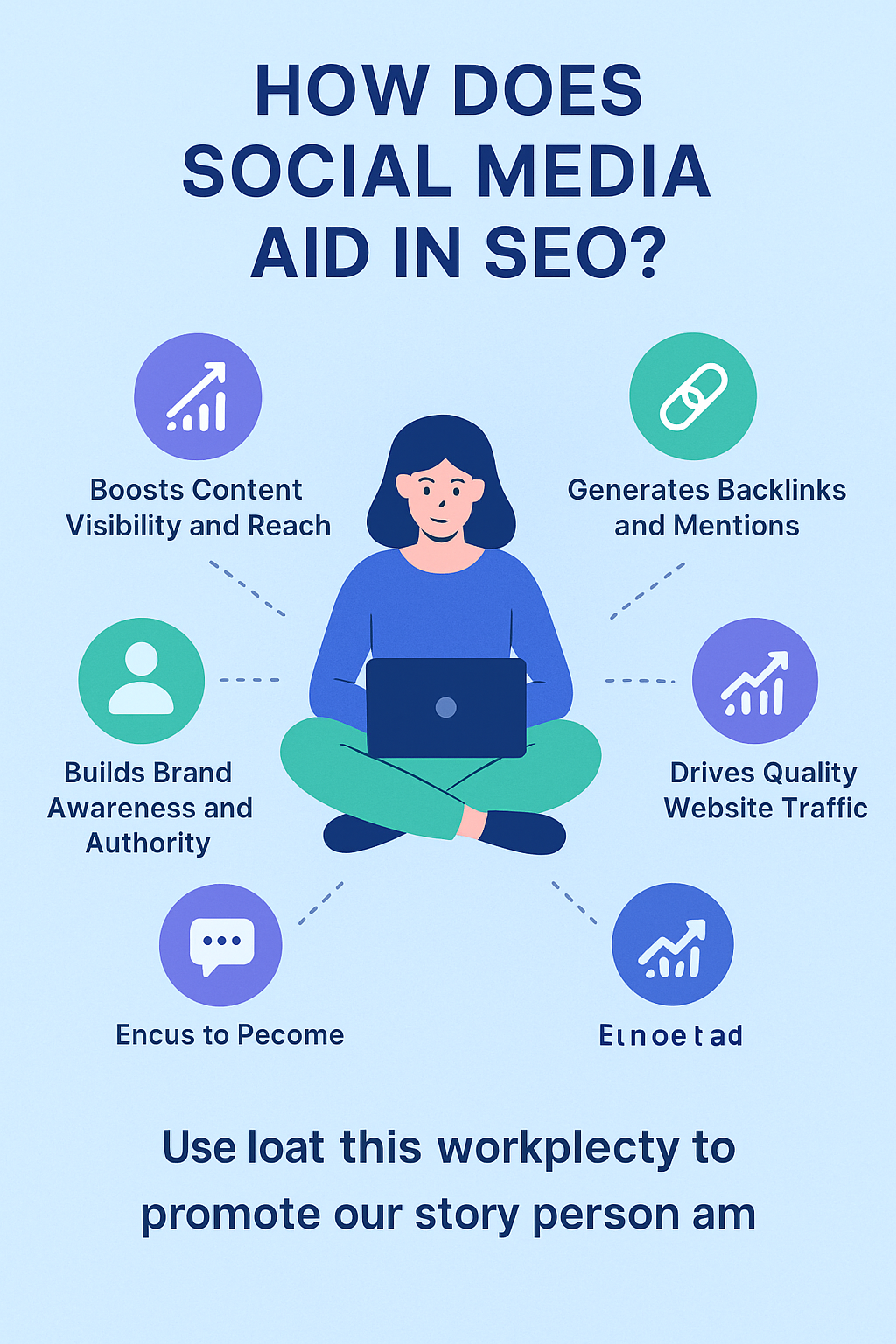
Social Media and SEO Services: How Integrated Digital Marketing Improves Brand Visibility and Organic Growth
Industry Overview: Why Social Media SEO and SEO and Social Media Marketing Services Are Essential for Modern BusinessesThe digital landscape has transformed the way businesses connect with customers. ...
Read all
HTTPS Website Security: How Secure Websites Build Trust, Improve SEO, and Protect Customer Data
HTTPS Website Security and the Growing Importance of Secure Website DevelopmentAs businesses continue to move online, website security has become one of the most critical aspects of maintaining custom...
Read all
Why site speed is significant in web design
Why Site Speed Is Significant in Web DesignIn today’s fast-paced digital world, patience is scarce — and your website has only seconds to make an impression. A slow-loading site doesn’t just cos...
Read all
Responsive Website Development: How Modern Businesses Improve User Experience and Generate More Leads
Responsive Website Development and the Growing Importance of Mobile-Friendly Digital ExperiencesThe way customers interact with businesses online has changed dramatically over the last decade. Today, ...
Read all
Flutter App Development: Why Businesses Choose Cross-Platform Mobile Apps in 2026
Industry Overview: The Rise of Flutter App Development and Cross Platform Mobile App DevelopmentMobile applications have become one of the most important tools for business growth, customer engagement...
Read all
Importance of User Experience(UX) in Apps
Why UX is Your App's Secret Weapon for SuccessIn today's crowded app stores, a brilliant app idea isn't enough. What truly differentiates a winning mobile app is its user experience (UX). ...
Read all