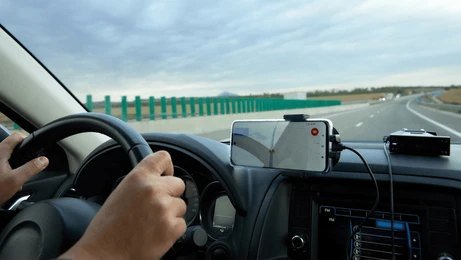

Industry Overview: The Growing Need for Driver Booking Software Development

The transportation industry is rapidly moving toward digital platforms that make booking, managing, and coordinating professional drivers more efficient. Customers increasingly expect the convenience of discovering available drivers, selecting a suitable service, scheduling trips, receiving booking confirmations, and accessing driver information through a website or mobile application.

Traditional driver booking businesses often depend on phone calls, manual scheduling, spreadsheets, and fragmented communication between customers and drivers. As the number of bookings increases, these processes can become difficult to manage and may result in missed requests, scheduling conflicts, inefficient driver allocation, and limited visibility into ongoing trips.

This is where driver booking software development can transform transportation operations. A centralized digital platform can connect customers, drivers, operations teams, and administrators through a single technology ecosystem.

A modern driver booking app development solution can allow customers to request professional drivers for local journeys, outstation trips, scheduled transportation, chauffeur services, or other driver-based requirements. Behind the customer-facing application, businesses can use centralized systems to manage drivers, bookings, payments, schedules, availability, and operational data.

For businesses managing larger driver networks, driver management software provides a structured way to maintain driver profiles, availability, verification information, booking history, performance data, and operational records.

Similarly, driver tracking software can provide location visibility during active trips, helping businesses monitor journeys and giving customers greater transparency regarding driver movement.

The demand for digital transportation solutions is also expanding beyond passenger services. Logistics companies, delivery businesses, fleet operators, and service providers increasingly require technology that can coordinate drivers and assignments efficiently.

This has created opportunities for specialized platforms combining driver management system capabilities with booking, dispatch, tracking, and reporting functionality.


Current Challenges in Driver Booking and Transportation Management

One of the biggest challenges faced by transportation businesses is managing multiple drivers and bookings simultaneously. When bookings are handled manually, administrators may have difficulty identifying which drivers are available, which driver is closest to a customer, and which driver is already assigned to another trip.

This becomes even more complicated when a business manages a large network of professional drivers across different locations.

A dedicated driver management system can centralize driver information and provide administrators with a clearer overview of availability, assignments, active trips, and historical records.

Another major challenge is dispatch coordination. Without specialized technology, operations teams may need to communicate with individual drivers through phone calls or messaging applications every time a new booking arrives.

A professional driver dispatch software platform can streamline this process by allowing administrators to create, assign, update, and monitor driver assignments through a centralized dashboard.

Businesses involved in delivery operations face similar problems. Managing delivery personnel, assignments, routes, availability, and completed deliveries requires continuous coordination.

A specialized delivery driver management app can help businesses organize driver activities, provide assignment information, update delivery statuses, and improve communication between drivers and operations teams.

For larger delivery networks, delivery driver management software can provide centralized control over driver profiles, assignments, performance, routes, and operational reports.

Another challenge is customer communication. Customers increasingly expect real-time updates regarding booking confirmations, driver information, pickup details, and trip status. A technology-driven platform can automate many of these communications through notifications and status updates.


Key Features Businesses Need in Driver Service Booking Software

A successful transportation platform needs to address the requirements of customers, drivers, and administrators rather than focusing exclusively on the booking interface.

A professional driver service booking software solution can provide customers with a convenient way to select a service, enter pickup and destination information, choose a date and time, submit a booking request, and receive relevant trip information.

For the business, the platform needs to provide centralized booking management. Administrators should be able to view upcoming, active, completed, and cancelled bookings while accessing the information required to coordinate each trip.

Driver availability is another important component. A centralized driver management software platform can allow businesses to maintain driver profiles, availability status, documents, service areas, and booking history.

Location functionality can further improve operational visibility. With appropriate permissions and technical implementation, driver tracking software can provide real-time location information during active trips and help administrators understand the current status of their transportation network.

For delivery businesses, the same technology principles can be extended through delivery driver management software, allowing companies to coordinate delivery personnel and monitor assignments from a centralized system.

Businesses also need reporting capabilities. Booking volumes, completed trips, cancellations, driver utilization, revenue, customer activity, and other operational metrics can provide valuable insights for decision-making.

The platform should also be designed with scalability in mind. A system developed for ten drivers should not need to be completely rebuilt when the business expands to hundreds or thousands of drivers.

This is why custom driver booking software can be particularly valuable. Instead of adapting operations to the limitations of generic software, businesses can develop workflows around their specific service model, customer requirements, pricing structure, driver network, and operational processes.


How Transportation Software Development Solves Driver Management Problems

Modern transportation software development allows businesses to digitize multiple stages of the transportation lifecycle.

A customer can initiate a booking through an application or website, while the backend processes the request and makes relevant information available to the operations team. Depending on the business model, administrators can manually assign a driver or implement automated assignment logic based on availability, location, service category, or other business rules.

Professional transportation management software development can connect customer applications, driver applications, backend systems, databases, maps, notifications, payment systems, and administrative dashboards into one unified platform.

For driver operators, this reduces dependence on manual communication and makes trip information accessible through a dedicated interface.

For administrators, centralized dashboards provide greater visibility into bookings and driver activity. Instead of checking separate spreadsheets or messaging conversations, operations teams can manage information from one system.

The same technology can be adapted for delivery operations. Delivery driver management software can provide businesses with centralized assignment management, driver status tracking, delivery updates, and reporting capabilities.

Location-based functionality is another major advantage. GPS technology can help businesses understand driver locations, support navigation, identify nearby drivers, and provide relevant trip updates.

Businesses can also automate customer notifications. Booking confirmations, driver assignments, trip status changes, cancellations, and completion notifications can be communicated through appropriate digital channels.

These capabilities demonstrate why businesses increasingly invest in transportation software development services rather than relying entirely on manual transportation management.


Industry Trends in Transportation Software Development Services

The transportation industry is moving toward increasingly connected and data-driven operating models. Customers expect digital convenience, while transportation businesses require better visibility and more efficient resource utilization.

One important trend is the growth of on-demand transportation platforms. Customers increasingly expect to book services through mobile applications rather than making repeated phone calls.

This is creating continued demand for driver booking app development solutions capable of supporting real-time bookings, driver allocation, location services, notifications, and digital payments.

Another important trend is intelligent driver allocation. As platforms become more sophisticated, businesses can use data and automation to identify suitable drivers based on location, availability, service category, and operational rules.

Cloud-based systems are also becoming increasingly common because they allow businesses to centralize operational information and scale their infrastructure as demand increases.

Data analytics is becoming another essential component. Transportation businesses can analyze booking patterns, driver utilization, peak periods, cancellation rates, customer activity, and operational performance to improve decision-making.

Businesses are also increasingly connecting transportation platforms with other systems such as CRM platforms, payment gateways, accounting software, communication tools, and external APIs.

This is where custom business software development becomes valuable. Rather than operating multiple disconnected systems, organizations can develop integrated platforms that support their complete business workflow.

As transportation operations become more complex, organizations are increasingly looking toward experienced software development firms capable of designing scalable technology solutions rather than simply building standalone applications.


Real Project Example: Driver Booking Platform Development

A practical example of this type of technology can be seen through DriverZpoint, a professional driver booking platform developed to connect customers with verified driver partners for different transportation requirements.

The platform demonstrates how a traditional driver service can be transformed into a technology-enabled transportation ecosystem. Instead of depending entirely on manual phone-based coordination, customers can use digital channels to explore driver services, provide trip requirements, and make bookings.

From an operational perspective, such a platform requires significantly more than a simple booking form. It needs systems for customer management, driver onboarding, driver information, booking management, trip coordination, location-related functionality, notifications, and administrative control.

This type of platform highlights the practical value of driver booking software development for businesses that want to scale their driver networks while maintaining greater control over operations.

A centralized driver management system can help administrators organize driver information, monitor availability, and manage bookings more efficiently.

Driver-focused technology can also provide relevant trip information and status updates, while driver tracking software can support location visibility during applicable journeys.

The platform model can further be expanded to support corporate transportation requirements, hospitality businesses, car rental companies, travel companies, and other organizations requiring professional driver services.

At BrandIT Consultancy, we approach such projects by understanding the business workflow first and then designing the software architecture around those requirements. This allows transportation businesses to develop technology that can evolve as their driver network, customer base, and service portfolio grow.


Frequently Asked Questions About Driver Booking Software Development

What is driver booking software development?

Driver booking software development involves creating a digital platform that allows customers to request driver services while enabling businesses to manage drivers, bookings, assignments, trips, payments, and operational information through connected applications and administrative systems.

What features should a driver booking app have?

A professional driver booking app development project can include customer registration, booking requests, pickup and destination details, scheduling, driver assignment, GPS tracking, notifications, payment integration, booking history, ratings, support, and administrative management.

The exact feature set depends on the business model and the type of driver service being provided.

How does driver management software help transportation companies?

Driver management software centralizes information related to drivers, availability, bookings, assignments, documents, performance, and trip history. This can reduce manual coordination and give operations teams greater visibility over their driver network.

What is the purpose of driver dispatch software?

Driver dispatch software helps transportation businesses coordinate bookings and assign suitable drivers. Depending on the system, assignments can be managed manually or supported by automated rules based on availability, location, service type, and other operational requirements.

Can driver booking software support delivery businesses?

Yes. Delivery driver management software can help logistics and delivery businesses manage drivers, assignments, delivery statuses, routes, and operational reporting through a centralized platform.

Why choose custom driver booking software instead of generic software?

Custom driver booking software can be designed around a company's specific workflows, pricing structure, service categories, driver requirements, customer experience, and integration needs. This provides greater flexibility when the business expands or introduces new services.


Why Choose BrandIT for Driver Booking Software Development

Choosing a development partner for transportation software requires more than technical coding expertise. The development team needs to understand booking workflows, driver operations, customer experiences, location technology, administrative requirements, scalability, and integrations.

BrandIT Consultancy provides customized software solutions designed around specific business requirements rather than generic templates.

As an experienced software development company, we work with businesses to transform operational requirements into scalable digital platforms.

Organizations searching for custom software development companies can benefit from our approach of combining business analysis, UI/UX design, backend development, mobile application development, database architecture, API integration, testing, and deployment.

Businesses looking for the best software development companies need a partner that can understand both the technology and the business objectives behind a project.

Our expertise in business software development allows us to create platforms that can support booking management, driver operations, customer management, reporting, automation, and third-party integrations.

For transportation businesses, our experience in transportation software development allows us to develop technology specifically around fleet, driver, booking, dispatch, and trip management requirements.

As a transportation software development company, we can create connected systems consisting of customer applications, driver applications, web dashboards, backend services, databases, APIs, and third-party integrations.

Organizations requiring comprehensive transportation management software development can use customized platforms to centralize their transportation operations and gain greater visibility over drivers and bookings.

Our transportation software development services can also be adapted for driver booking platforms, chauffeur businesses, logistics companies, delivery businesses, fleet operators, corporate transportation providers, and other transportation-focused organizations.

For companies that need unique workflows, our custom business software development approach enables the technology to evolve alongside the organization rather than restricting the business to a fixed software structure.


Conclusion: Building Smarter Transportation Services Through Driver Booking Software

Transportation businesses are increasingly moving away from manual coordination toward connected digital platforms that provide greater efficiency, visibility, and scalability.

Professional driver booking software development can transform the way customers request driver services, how businesses allocate drivers, and how operations teams manage transportation activities.

From centralized driver management software and driver dispatch software to location tracking, booking management, customer notifications, and reporting, modern transportation platforms can connect every major component of the service ecosystem.

For businesses managing delivery operations, delivery driver management software can provide similar advantages by helping coordinate drivers, assignments, routes, and delivery activities from a centralized platform.

The real value of technology lies in creating a system that matches the company's actual operational requirements. A scalable platform can begin with a focused set of services and evolve as the business expands into new locations, adds more drivers, or introduces additional transportation services.

At BrandIT Consultancy, we develop customized solutions that combine technology, usability, automation, and scalable architecture to help businesses modernize transportation operations.

Whether a business needs a complete driver booking platform, a centralized driver management system, or a broader transportation management software development solution, the right technology can create a more connected, efficient, and scalable transportation ecosystem.

More Articles

Custom Website Development: A Step-by-Step Guide for Small Businesses

Custom Website Development: A Step-by-Step Guide for Small Businesses

Custom web development enables small businesses to create unique online presences tailored to their specific needs and goals, instead of relying on pre-made templates. In addition, this comprehensive ...

Read all

What are the major components of Digital Marketing?

What are the major components of Digital Marketing?

Why digital marketing?Every marketing strategy also includes a digital plan of action within it. Without factoring it in, no marketing goal can be executed now. When you include it, you get a wholesom...

Read all
How SEO works for business

How SEO works for business

The Power of SEO in Business: A Comprehensive GuideIn the continuously evolving landscape of digital marketing, the competition to stand out is fierce. Amidst this digital crowd, how does one ensure t...

Read all
Social Media and SEO Services: How Integrated Digital Marketing Improves Brand Visibility and Organic Growth

Social Media and SEO Services: How Integrated Digital Marketing Improves Brand Visibility and Organic Growth

Industry Overview: Why Social Media SEO and SEO and Social Media Marketing Services Are Essential for Modern BusinessesThe digital landscape has transformed the way businesses connect with customers. ...

Read all

HTTPS Website Security: How Secure Websites Build Trust, Improve SEO, and Protect Customer Data

HTTPS Website Security: How Secure Websites Build Trust, Improve SEO, and Protect Customer Data

HTTPS Website Security and the Growing Importance of Secure Website DevelopmentAs businesses continue to move online, website security has become one of the most critical aspects of maintaining custom...

Read all

Why site speed is significant in web design

Why site speed is significant in web design

Why Site Speed Is Significant in Web DesignIn today’s fast-paced digital world, patience is scarce — and your website has only seconds to make an impression. A slow-loading site doesn’t just cos...

Read all
Responsive Website Development: How Modern Businesses Improve User Experience and Generate More Leads

Responsive Website Development: How Modern Businesses Improve User Experience and Generate More Leads

Responsive Website Development and the Growing Importance of Mobile-Friendly Digital ExperiencesThe way customers interact with businesses online has changed dramatically over the last decade. Today, ...

Read all
Flutter App Development: Why Businesses Choose Cross-Platform Mobile Apps in 2026

Flutter App Development: Why Businesses Choose Cross-Platform Mobile Apps in 2026

Industry Overview: The Rise of Flutter App Development and Cross Platform Mobile App DevelopmentMobile applications have become one of the most important tools for business growth, customer engagement...

Read all

Importance of User Experience(UX) in Apps

Importance of User Experience(UX) in Apps

Why UX is Your App's Secret Weapon for SuccessIn today's crowded app stores, a brilliant app idea isn't enough. What truly differentiates a winning mobile app is its user experience (UX). ...

Read all

Interested in working with us?

Contact us now, and we are ready to do what you want

+91 891-040-7548