Industry Overview: The Growing Importance of Digital Marketing for Hotels
The hospitality industry has changed significantly with the rise of online search, social media, travel platforms, and digital advertising. Today, guests rarely choose a hotel or resort simply because they see it while travelling. Instead, they search online, compare properties, check photographs and reviews, explore social media profiles, compare prices, and then decide where to book.
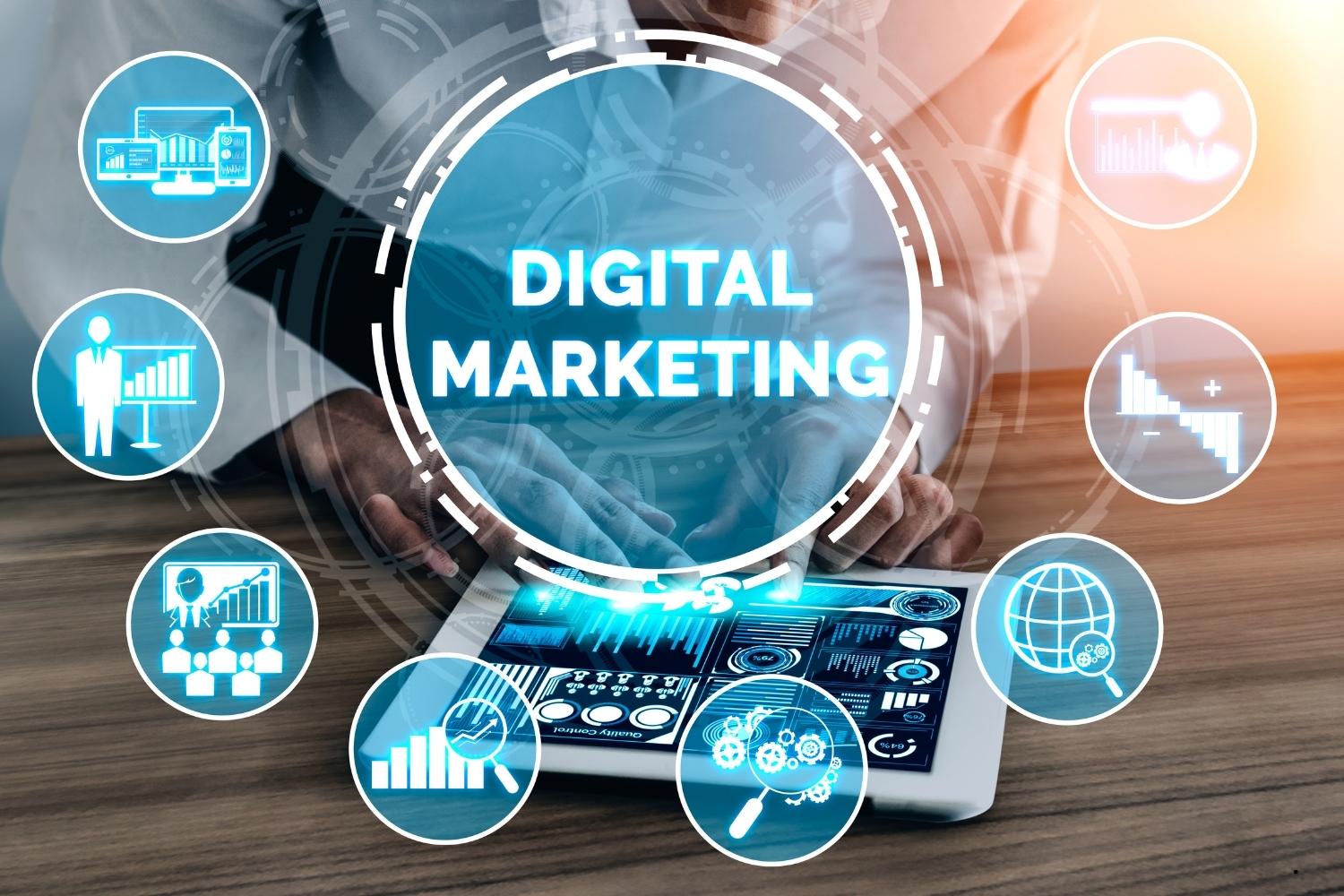
This makes digital marketing for hotels an essential part of modern hospitality growth. A strong online presence can help a property appear when potential guests are actively searching for accommodation, vacations, weekend stays, business trips, weddings, conferences, or leisure experiences.
For hotels, digital marketing is not only about increasing visibility. The real objective is to move a potential customer through the complete journey—from discovering the property to making an enquiry or completing a direct booking.
A well-planned digital marketing strategy for hotels can combine search visibility, social media, paid advertising, content, landing pages, lead generation, and remarketing to create a consistent flow of potential guests.
The same principle applies to resorts. Resort digital marketing focuses on showcasing experiences rather than simply rooms. A resort may need to promote swimming pools, restaurants, nature experiences, family packages, corporate retreats, destination weddings, events, activities, and seasonal offers.
This is where an experienced hotel digital marketing agency can help hospitality businesses build an integrated strategy designed around visibility, enquiries, bookings, and customer acquisition.
Current Challenges in Hotel & Resort Marketing
Hotels and resorts operate in an extremely competitive digital environment. A potential guest can compare dozens of properties within minutes, making it difficult for individual businesses to stand out.
1. High Competition for Online Searches
Guests frequently search phrases such as hotels near a destination, luxury resorts, weekend resorts, family hotels, business hotels, or resorts near Kolkata. Numerous properties compete for the same audience.
Simply having a website is therefore not enough. Hotels need a strategy that helps them appear in front of relevant customers at the right stage of the booking journey.
2. Dependence on Third-Party Booking Platforms
Online travel platforms can generate significant visibility, but hotels may become overly dependent on external platforms for reservations.
A sustainable customer acquisition strategy should also focus on developing direct relationships with potential guests. This can include website enquiries, WhatsApp conversations, phone calls, social media enquiries, and direct booking campaigns.
3. Difficulty Generating Qualified Leads
Website visitors do not automatically become customers. Many users browse several properties before making a decision.
This makes hotel lead generation an important marketing objective. The focus should be on attracting people who are genuinely interested in staying at the property rather than generating large numbers of irrelevant clicks.
4. Social Media Competition
Beautiful hotel photographs alone do not guarantee bookings. Hotels and resorts compete with influencers, travel creators, competing properties, and destination pages for audience attention.
Effective social media marketing for resorts therefore needs to combine visual storytelling with offers, experiences, customer testimonials, videos, destination content, and clear calls to action.
5. Uncertainty Around Advertising Costs
Hotels often want to know the expected investment before starting paid campaigns. Searches such as hotel facebook ads cost and resort facebook ads cost are common considerations when planning social media advertising.
However, advertising costs depend on factors such as audience, location, competition, campaign objective, creative quality, seasonality, and targeting. The objective should therefore be measured against enquiries and bookings rather than clicks alone.
Key Features Businesses Need for Effective Digital Marketing for Hotels & Resorts
A successful hospitality marketing system should connect different digital channels instead of treating each channel independently.
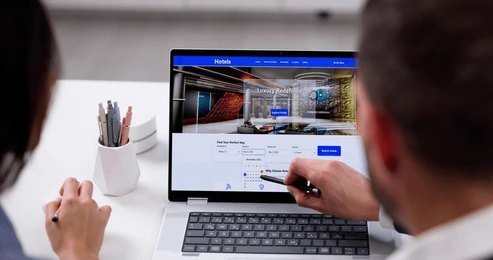
1. A Strong Hotel Website and Booking Journey
The hotel website should clearly communicate:
-
Rooms and accommodation options
-
Amenities and facilities
-
Location and accessibility
-
Packages and offers
-
Dining options
-
Events and experiences
-
Photographs and videos
-
Guest reviews and testimonials
-
Contact and enquiry options
-
Direct booking options
The website should also make it easy for users to move from information to action.
A complicated booking process can cause potential customers to leave before completing their reservation. Therefore, website design, speed, mobile responsiveness, landing pages, and conversion optimisation all play an important role.
2. A Defined Hotel Lead Generation Strategy
A professional hotel lead generation strategy should identify the different audiences a property wants to attract.
For example, a hotel may target:
-
Leisure travellers
-
Families
-
Corporate travellers
-
Couples
-
Wedding groups
-
Event organisers
-
Tour operators
-
Corporate HR teams
-
Conference organisers
-
Weekend travellers
Each audience can require a different message, offer, landing page, and advertising campaign.
The goal of lead generation for hotels is to create a measurable path from advertising or search visibility to enquiry and eventually booking.
3. A Dedicated Resort Lead Generation Strategy
A resort often sells an experience rather than accommodation alone. Its marketing strategy can therefore highlight activities, food, nature, relaxation, entertainment, events, and packages.
A strong resort lead generation strategy can promote different experiences to different customer segments and encourage users to enquire directly.
For example, a resort could run separate campaigns for weekend stays, family packages, corporate outings, destination weddings, or seasonal promotions.
4. Professional Hotel Advertising Services
Paid advertising can provide immediate visibility while organic marketing strategies develop over time.
Professional hotel advertising services can include campaign planning, audience targeting, creative development, landing-page optimisation, conversion tracking, remarketing, and campaign analysis.
The objective is not simply to spend more on advertisements. It is to identify which audiences, messages, and offers generate the best commercial results.
5. Digital Advertising for Hotels Across Multiple Platforms
Digital advertising for hotels can combine search and social platforms according to the property's objectives.
Search campaigns can capture users already looking for accommodation, while social advertising can create demand among people interested in travel, holidays, destinations, events, and experiences.
Using different stages of the customer journey allows hotels to build a more complete advertising funnel.
6. Facebook Marketing for Hotels and Resorts
Facebook remains useful for hospitality businesses because hotels can showcase visual content, offers, events, customer experiences, and destination information.
Facebook marketing for hotels can focus on room showcases, packages, facilities, events, reviews, and seasonal promotions.
Similarly, Facebook marketing for resorts can focus heavily on experiences, activities, property surroundings, food, family experiences, weekend packages, and special events.
7. Meta Ads for Hotels
Paid social campaigns can help hotels reach specific audience groups based on interests, demographics, location, behaviour, and previous engagement.
Meta Ads for hotels can be particularly useful for promoting limited-time offers, weekend packages, festive campaigns, wedding packages, and retargeting users who have previously interacted with the property.
An experienced Meta Ads agency can structure campaigns according to different objectives instead of using the same advertisement for every audience.
8. Social Media Management
Consistent communication is essential for hospitality brands.
A professional social media marketing agency can help maintain a consistent content strategy across platforms while a structured social media marketing services approach can include content planning, creative development, captions, reels, campaign promotions, community engagement, and performance analysis.
How Technology Solves These Problems
Search + Social + Paid Advertising Working Together
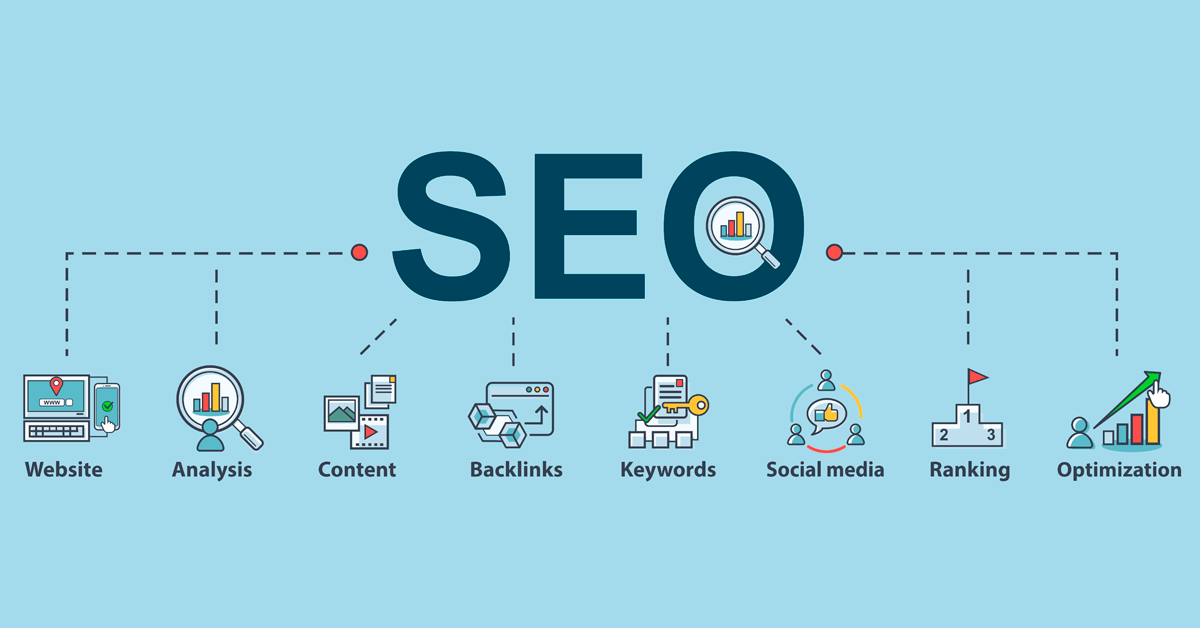
A modern hospitality marketing ecosystem can combine organic search, social media, paid advertising, website optimisation, analytics, and lead management.
A potential customer might first discover a hotel through a search engine. Later, the same person may see a social media advertisement. They may then visit the website, browse rooms, and submit an enquiry.
Remarketing can keep the property visible to that user until they are ready to make a decision.
This integrated approach makes digital marketing services more measurable and helps businesses understand where enquiries and bookings originate.
Lead Tracking and Enquiry Management
Technology can also help hospitality businesses track:
-
Where a lead came from
-
Which campaign generated the enquiry
-
Which offer attracted the customer
-
Whether the enquiry became a booking
-
Which audience generated better results
-
Which advertising channel delivered stronger returns
This data can improve the customer acquisition services provided to a hotel and allow marketing decisions to be based on actual performance.
Landing Pages for Different Offers
A hotel should not necessarily send every advertisement to its homepage.
A campaign for a weekend package can use a dedicated landing page. A wedding campaign can have a wedding-focused page. A corporate retreat campaign can have a business-focused page.
This creates a more relevant customer journey and can improve conversion rates.
Remarketing for Interested Visitors
Many potential guests do not book during their first visit.
Remarketing allows businesses to reconnect with users who have already interacted with their website, advertisements, or social media content.
For example, someone who viewed a resort package but did not enquire may later see another advertisement highlighting the same experience or a limited-time offer.
Industry Trends in Resort Digital Marketing and Hotel Marketing
The hospitality industry continues to move toward more personalised and experience-focused marketing.
Experience-Based Marketing
Hotels and resorts increasingly need to sell experiences rather than rooms alone. Content around food, wellness, nature, events, activities, local attractions, and guest experiences can help create stronger emotional connections.
Short-Form Video
Reels and short videos can provide a realistic preview of a property. Room tours, food experiences, sunset views, activities, guest moments, and behind-the-scenes content can make a property more memorable.
Personalised Offers
Different customers have different motivations. A family may respond to a family package, while a corporate traveller may care about connectivity and business facilities.
Personalised campaigns can therefore make marketing more relevant.
Localised Digital Marketing
For properties serving regional travellers, location-based campaigns can be extremely valuable.
For example, digital marketing for hotels in kolkata can target customers searching for stays, events, business accommodation, weekend escapes, and hospitality experiences connected with Kolkata.
Likewise, digital marketing for resorts in kolkata can focus on people looking for nearby leisure destinations, weekend getaways, family outings, and short breaks.
Data-Driven Advertising
Hotels are increasingly evaluating marketing performance through enquiries, conversion rates, cost per lead, booking value, and customer acquisition costs instead of focusing only on impressions and likes.
Real Project Example: Digital Marketing Approach for The
Mallick Golden Villa
BrandIT Consultancy has worked on hospitality-focused
digital marketing initiatives where the objective is to strengthen online
visibility, showcase the property effectively, and turn audience interest into
genuine enquiries and bookings.
A relevant example is The Mallick Golden Villa, a
hotel where digital marketing plays an important role in presenting the
property, its hospitality experience, rooms, amenities, and overall appeal to
potential guests.
For a hotel such as The Mallick Golden Villa, an effective
digital presence goes beyond simply displaying photographs online. The
marketing approach focuses on communicating the property's experience through
engaging social media content, promotional creatives, audience-focused
campaigns, and strategic digital communication.
BrandIT's approach can help position the hotel across
relevant digital channels, allowing potential guests to discover the property,
explore its offerings, engage with its content, and ultimately enquire about
their stay.
The strategy can include social media marketing, promotional
campaigns, creative content, paid advertising, audience targeting,
lead-generation activities, and ongoing campaign optimisation. These activities
work together to create a consistent digital presence while encouraging
potential customers to take the next step.
This hospitality-focused approach is particularly valuable
for businesses looking to move beyond basic social media activity and develop a
measurable hotel sales lead generation system that can contribute to
enquiries, customer acquisition, and direct bookings.
FAQ About Digital Marketing for Hotels
What is digital marketing for hotels?
Digital marketing for hotels involves using online channels such as search engines, social media, websites, paid advertising, content marketing, and lead-generation campaigns to attract potential guests and increase enquiries and bookings.
Why does a hotel need a digital marketing strategy?
A digital marketing strategy for hotels provides a structured approach to reaching potential guests at different stages of the decision-making process. It helps coordinate organic visibility, social media, paid advertising, website conversion, and remarketing.
How can hotels generate more direct bookings?
Hotels can combine search visibility, paid advertising, social media, attractive offers, dedicated landing pages, easy enquiry options, and a conversion-focused website to encourage potential guests to book directly.
What is hotel lead generation?
Hotel lead generation is the process of attracting potential guests and encouraging them to submit enquiries, make calls, contact the property through messaging platforms, or take another action that can lead to a booking.
What is the difference between hotel marketing and hotel lead generation?
Hotel marketing focuses on building visibility, awareness, engagement, and demand. Hotel lead generation focuses more specifically on turning that interest into identifiable potential customers who can be followed up and converted.
How does Facebook help hotels?
Facebook marketing for hotels can help properties promote rooms, packages, events, facilities, reviews, offers, and experiences while reaching specific audience groups.
How much does Facebook advertising cost for a hotel?
There is no fixed hotel facebook ads cost. Advertising expenditure depends on the target location, audience, campaign objective, competition, creative quality, seasonality, and campaign duration.
How much does Facebook advertising cost for a resort?
Similarly, resort facebook ads cost varies according to targeting, campaign objective, audience size, competition, creative performance, and budget. A professional campaign should be evaluated based on qualified enquiries and bookings rather than advertising spend alone.
Can Meta Ads generate hotel bookings?
Yes. Meta Ads for hotels can be used to create awareness, promote offers, generate enquiries, and remarket to users who have previously interacted with a hotel.
Why should hotels work with a digital marketing agency?
A professional agency can bring together strategy, creative production, advertising, social media, lead generation, analytics, and optimisation under one coordinated marketing system.
Why Choose BrandIT for Hotel Digital Marketing Agency Services?
Choosing the right partner is important because hospitality marketing requires more than attractive creatives.
BrandIT Consultancy combines creative, technology, advertising, branding, website development, and digital marketing capabilities to create integrated business solutions.
As a hotel digital marketing agency, BrandIT can help hospitality businesses develop strategies around visibility, engagement, lead generation, and direct bookings.
Our approach can include:
-
Digital marketing strategy
-
Hotel and resort website development
-
Search-focused content
-
Social media marketing
-
Facebook marketing for hotels
-
Facebook marketing for resorts
-
Meta Ads for hotels
-
Paid advertising campaigns
-
Landing-page development
-
Hotel lead generation
-
Lead generation services
-
Remarketing campaigns
-
Campaign analytics
-
Conversion optimisation
-
Creative and branding support
For businesses searching for a hotel marketing agency in kolkata or a resort marketing agency in kolkata, working with a Kolkata-based digital partner can also make local audience understanding, communication, creative production, and campaign coordination easier.
BrandIT can support businesses looking for hotel digital marketing agency in kolkata, resort digital marketing agency in kolkata, digital marketing company in kolkata, digital marketing agency in kolkata, and digital marketing services in kolkata.
The objective is simple: build a digital presence that does not merely attract attention but contributes to measurable business growth.
Conclusion: Turning Hotel Searches into Direct Bookings
The hospitality industry has become increasingly digital, and the guest journey now begins long before a person arrives at a hotel or resort.
A traveller may discover a property through search, watch its videos on social media, compare its facilities, click a paid advertisement, visit the website, ask a question, and finally make a booking.
That entire journey represents an opportunity.
With the right digital marketing for hotels strategy, businesses can improve online visibility, reach relevant audiences, generate qualified enquiries, strengthen their brand, and create more opportunities for direct bookings.
For resorts, effective resort digital marketing can transform beautiful destinations and experiences into compelling digital campaigns that attract the right customers.
Ultimately, successful hospitality marketing is not about being present on every platform. It is about creating the right message, reaching the right audience, providing a seamless digital experience, and making it easy for interested customers to take the next step.
For hotels and resorts ready to turn online searches into real enquiries and bookings, a strategic partnership with the right digital marketing agency can make the difference between simply being visible online and actually growing through digital channels.