Industry Overview: Why Packaging Design Services Matter for Modern Brands
In a competitive marketplace, customers often make their first impression of a product before they ever experience the product itself. That first impression frequently comes from the packaging.
Whether a customer is standing in a supermarket aisle, browsing an e-commerce website, visiting a café, or scrolling through social media, packaging can influence how they perceive a product. A well-designed package can communicate quality, personality, trust, and value within seconds.
This is why professional packaging design services have become an important part of modern branding and product marketing. Packaging is no longer simply a protective layer around a product. It has become a visual communication tool that can help a brand attract attention, communicate its positioning, and become recognisable.
For businesses launching a new product, redesigning an existing product, or entering a competitive market, working with a packaging design agency can help transform a basic package into a strategic brand asset.
From food product packaging design and chocolate packaging design to skincare, tea, bakery, and restaurant packaging, every category has different customer expectations. The right design needs to understand both the product and the people who are likely to buy it.
Current Challenges in Product Packaging Design
Creating packaging that looks attractive is not enough. Businesses need packaging that works commercially, communicates clearly, and remains consistent with the overall brand identity.
1. Standing Out in a Crowded Market
Retail shelves and online marketplaces are filled with competing products. Customers may see dozens of similar products before deciding what to purchase.
A package that looks generic can easily be ignored.
Professional custom packaging design helps businesses create a distinctive visual identity instead of relying on standard layouts that look similar to competitors.
2. Balancing Creativity With Product Information
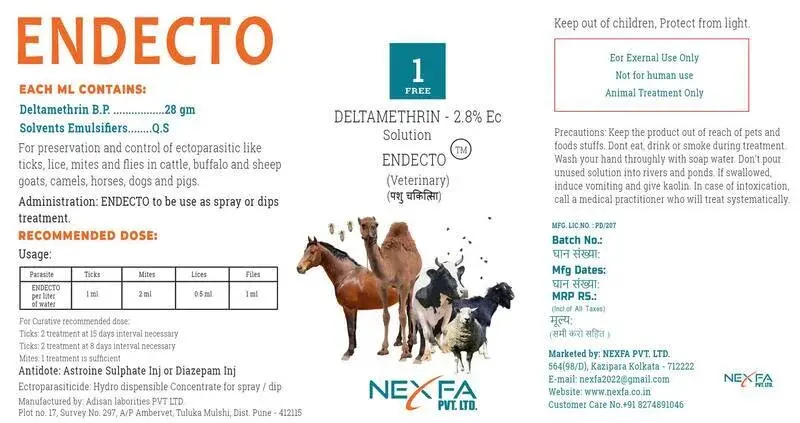
Packaging needs to attract attention, but it must also communicate important information.
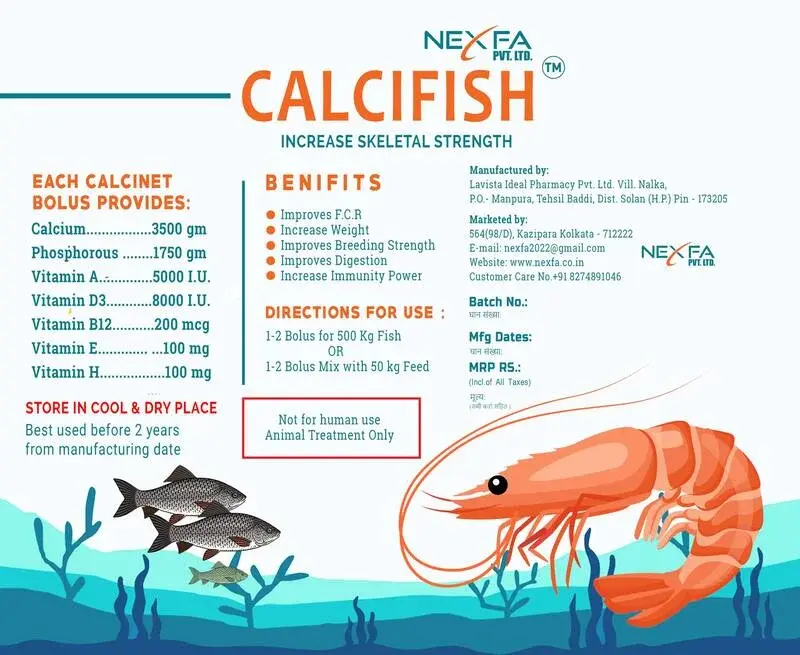
Depending on the product category, packaging may need to accommodate:
-
Product name
-
Brand identity
-
Product description
-
Ingredients
-
Usage information
-
Weight or quantity
-
Product benefits
-
Manufacturing information
-
Regulatory information
-
Contact details
-
Barcode and other required elements
The challenge is creating an attractive design without making the package visually confusing.
3. Different Products Require Different Design Approaches
A chocolate brand cannot necessarily use the same visual strategy as a skincare brand.
For example, chocolate bar packaging design may focus on indulgence, flavour, premium presentation, and appetite appeal. In contrast, skincare product packaging design may emphasise cleanliness, sophistication, ingredients, benefits, and trust.
Similarly, tea packet label design needs to communicate flavour, quality, origin, and brand positioning in a way that appeals to tea consumers.
4. Maintaining Brand Consistency
Businesses often create multiple products, sizes, flavours, or variants. If each package uses a completely different visual language, customers may struggle to recognise the parent brand.
Effective brand packaging services help establish a consistent visual system across different products while still allowing individual variants to remain distinctive.
5. Packaging Must Work Both Offline and Online
Modern packaging needs to perform in physical retail environments as well as digital marketplaces.
A design that looks attractive on a shelf should also remain recognisable when displayed as a small product thumbnail online.
This makes typography, colour relationships, product hierarchy, imagery, and brand recognition increasingly important.
Key Features Businesses Need in Custom Packaging Design
A successful package is the result of strategic design decisions rather than decoration alone.
1. Strong Brand Recognition
The brand should be easy to identify.
A successful package should create visual consistency through elements such as:
-
Logo placement
-
Typography
-
Colour system
-
Graphic elements
-
Photography or illustrations
-
Brand-specific patterns
-
Product hierarchy
This becomes especially important when a company has several products within one category.
2. Clear Product Hierarchy
Customers should be able to understand the product quickly.
A well-planned package generally gives visual priority to the most important information, such as the brand, product name, flavour, variant, or key benefit.
This principle is particularly important in food packaging design agency projects because customers often make purchasing decisions quickly.
3. Category-Specific Visual Language
Different industries require different creative approaches.
Chocolate Packaging Design
Chocolate packaging can use rich visual elements, appetising imagery, elegant typography, premium finishes, and distinctive colours to communicate indulgence and quality.
For premium products, chocolate packaging design can play a major role in establishing perceived value.
Frozen Food Packaging Design
Frozen food packaging design needs to communicate the product clearly while making it visually appealing in a category where customers often compare several similar products.
Strong product photography, easy-to-read information, variant differentiation, and clear branding can improve shelf communication.
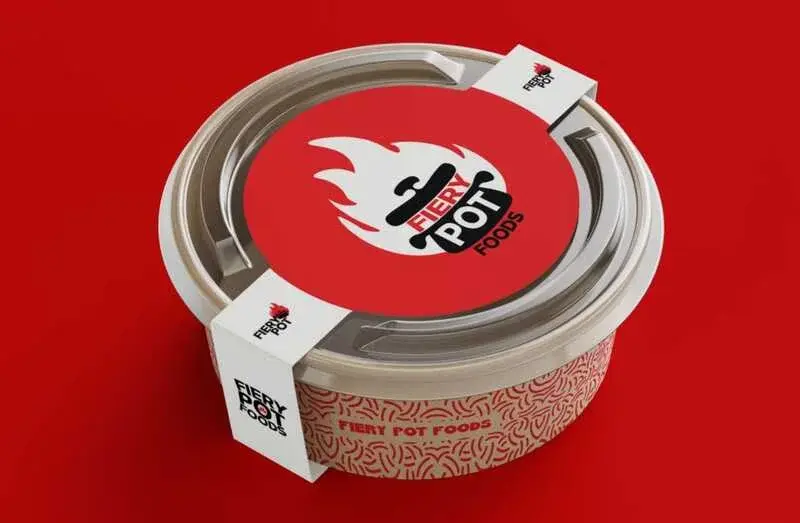
Restaurant Food Packaging Design
For restaurants, packaging extends the brand beyond the physical location.
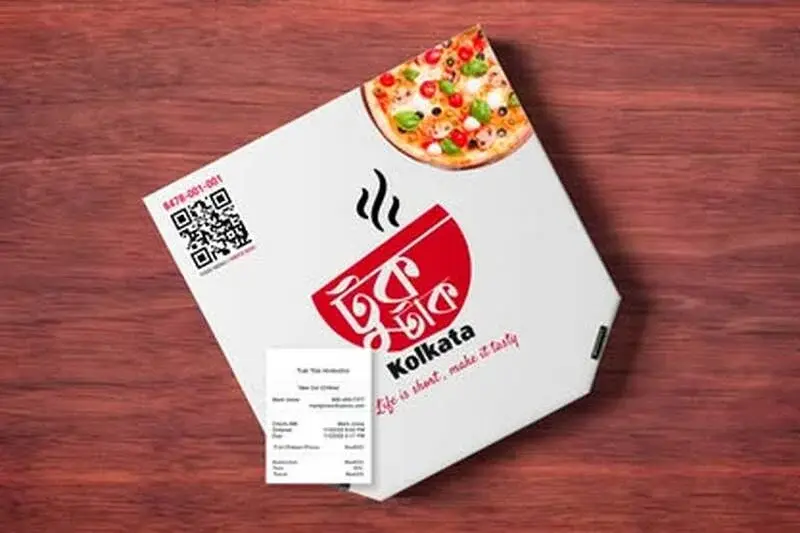
Restaurant food packaging design can be used across takeaway boxes, cups, bags, containers, and delivery packaging. Consistent branding can make the customer experience more memorable while helping the restaurant remain recognisable during delivery.
Coffee Brand Packaging
Coffee is a highly visual category where packaging can communicate origin, roast profile, quality, personality, and positioning.
A strong coffee brand packaging system can help a coffee company create a recognisable identity across different blends and product variants.
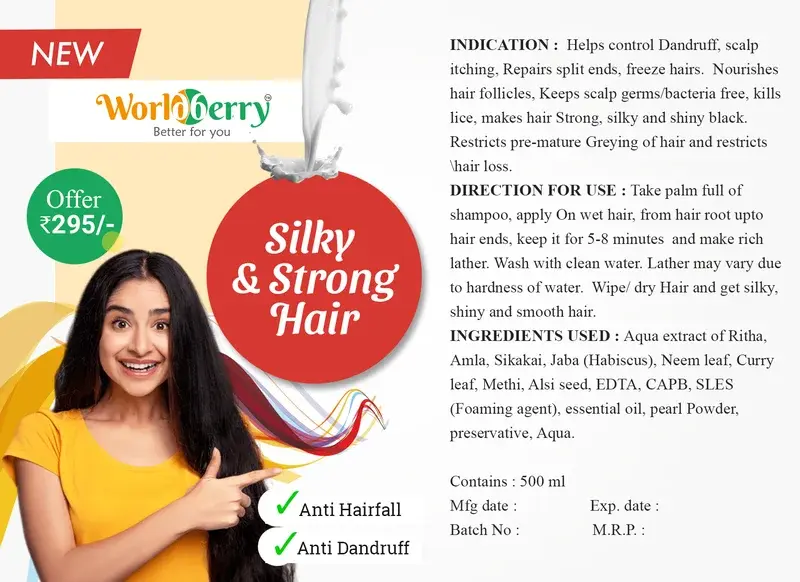
Skincare Packaging Design
Skincare customers often look for products that appear trustworthy, sophisticated, clean, and professional.
Skincare packaging design can therefore use carefully selected typography, colours, imagery, and information hierarchy to communicate product positioning.
For premium brands, luxury skincare packaging design can create a more sophisticated visual experience and reinforce a high-end positioning.
Bakery Packaging Design
Bakery products can benefit from packaging that communicates freshness, warmth, quality, and appetite appeal.
Bakery packaging design can be used across boxes, bags, labels, wrappers, and other formats.
For businesses selling cakes, cake box packaging design can transform ordinary delivery packaging into an extension of the bakery's brand experience.
Tea Packaging Design
Tea brands often need to communicate quality, flavour, tradition, origin, and premium positioning.
A consistent tea packaging design system can help customers quickly differentiate flavours and varieties while maintaining a strong parent brand identity.
For premium brands, premium tea packaging design can use elegant typography, refined colour combinations, illustrations, and sophisticated visual elements.
For individual tea products, tea bag packaging design can create a compact but recognisable identity.
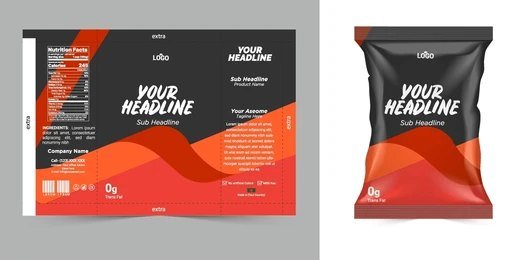
Chips Packaging Design
Snacks compete heavily for attention on retail shelves. Strong colour systems, product photography, typography, and visual differentiation can make packaging more noticeable.
A specialised chips packaging design strategy can help a snack brand create stronger shelf presence.
For regional or specialised snack products, banana chips packaging design can highlight the product's identity while creating a memorable brand appearance.
How Technology Solves Packaging Design Challenges
Technology has transformed how packaging is conceptualised, developed, reviewed, and prepared for production.
Digital Prototyping and Mockups
Before final production, designers can create digital packaging mockups to understand how the artwork will look on boxes, pouches, bottles, packets, labels, and other formats.
This allows businesses to evaluate the design before committing to large-scale production.
Multiple Design Variations
Digital design tools make it easier to create and compare multiple concepts.
A business can evaluate different:
-
Typography systems
-
Colour combinations
-
Product layouts
-
Photography styles
-
Illustrations
-
Label structures
-
Brand placements
This makes the design development process more collaborative and efficient.
Packaging Redesign
Established products may already have customer recognition but still require a modern visual identity.
A strategic product packaging redesign can refresh the appearance of a product while maintaining important brand-recognition elements.
The objective should not simply be to make the packaging look newer. The redesign should solve specific problems such as weak shelf visibility, outdated visual communication, inconsistent product variants, or unclear positioning.
Integration With Digital Marketing
Packaging and digital marketing increasingly work together.
A customer may discover a product through an advertisement, visit its social media profile, see the package online, and eventually purchase it in-store.
This is where social media design services, content creation, and packaging design can support the same brand identity.
Businesses working with a digital marketing company can therefore benefit from maintaining consistency between packaging, advertisements, websites, social media, and other customer touchpoints.
Industry Trends in Product Packaging Design
Minimalist and Clean Packaging
Many brands are moving toward cleaner layouts with fewer unnecessary visual elements.
Minimalism can make products appear more modern and can improve information hierarchy when implemented correctly.
Premium Packaging Experiences
Packaging is increasingly being used to communicate premium positioning.
Special finishes, sophisticated typography, structured layouts, and carefully selected materials can contribute to a more premium perception.
Sustainable Packaging
Environmental awareness is influencing packaging decisions across multiple industries.
Brands are increasingly exploring recyclable materials, reduced packaging, reusable formats, and sustainability-focused communication.
Personalised Packaging
Limited editions, seasonal packaging, regional variants, and personalised designs allow brands to create additional excitement around their products.
Packaging Designed for Social Media
Products are increasingly photographed and shared online.
This has created demand for packaging that is visually distinctive and recognisable when photographed, filmed, or displayed on social media.
Stronger Brand Systems Across Product Lines
Brands are increasingly designing packaging as a complete visual system rather than creating every product individually.
This allows multiple variants to remain distinct while still being recognisable as part of the same brand family.
Real Project Example: BrandIT's Packaging Design Approach
BrandIT Consultancy provides creative and branding solutions that help businesses communicate their products more effectively through professional visual design.
A packaging design project begins with understanding the product, target audience, market positioning, and brand personality. Instead of treating packaging as an isolated graphic, the objective is to create a visual identity that works across the customer's entire interaction with the product.
For example, a food brand may require packaging that immediately communicates taste, freshness, quality, and product variety. A skincare company may require a more refined visual system that communicates trust and premium positioning. A tea or coffee brand may need packaging that communicates its origin, quality, and unique product character.
BrandIT can develop the creative direction, visual hierarchy, typography, imagery, colour system, label composition, and packaging artwork according to the product's requirements.
The same design thinking can then extend into brochures, promotional creatives, social media content, advertisements, and other brand communication materials.
This integrated approach allows packaging to become part of a broader branding strategy rather than functioning as a standalone design element.
FAQ About Packaging Design Services
What are packaging design services?
Packaging design services involve creating the visual appearance and artwork of product packaging. This can include packaging concepts, layouts, labels, typography, graphics, illustrations, product imagery, mockups, and print-ready artwork.
Why should businesses invest in custom packaging design?
Custom packaging design helps businesses create a distinctive product identity rather than relying on generic packaging. It can improve brand recognition, shelf visibility, product communication, and perceived value.
What is the role of a packaging design agency?
A packaging design agency helps businesses develop packaging concepts based on their brand identity, target audience, product category, market positioning, and production requirements.
Do you provide food packaging design?
Yes. A professional food packaging design agency can develop packaging for different food categories, including snacks, frozen foods, bakery products, chocolates, tea, coffee, and other packaged food products.
Can packaging design be created for restaurants?
Yes. Restaurant food packaging design can cover takeaway boxes, delivery containers, paper bags, cups, wrappers, labels, and other branded packaging materials.
Can you redesign existing product packaging?
Yes. Product packaging redesign can be used when an existing package looks outdated, lacks shelf impact, has poor information hierarchy, or no longer reflects the brand's positioning.
Can packaging design help a small business?
Absolutely. Professional packaging can help smaller brands establish a stronger identity and compete more effectively with established products.
How does packaging support branding?
Packaging is one of the most visible customer touchpoints. Consistent branding across packaging can improve recognition and help customers associate a particular visual style with the product.
Can packaging design work with digital marketing?
Yes. Packaging, advertising, social media, website design, and other marketing materials can follow the same visual identity. This is particularly useful when a business works with a digital marketing agency or broader marketing agency.
Do you provide packaging design services in Kolkata?
Yes. Businesses searching for packaging design services in kolkata, a packaging design agency in kolkata, or a packaging design company in kolkata can work with BrandIT Consultancy for professional creative solutions.
Why Choose BrandIT for Packaging Design Company in Kolkata Services?
Choosing a packaging partner is about more than finding someone who can create attractive artwork. Businesses need a creative partner that understands branding, marketing, customer psychology, and commercial communication.
BrandIT Consultancy combines design, branding, technology, and marketing capabilities to create cohesive business solutions.
As a professional graphic design company, BrandIT can help businesses develop packaging that aligns with their broader brand identity.
Our creative capabilities can support:
-
Packaging concepts
-
Product packaging design
-
Label design
-
Packaging artwork
-
Product mockups
-
Packaging redesign
-
Brand identity integration
-
Social media creatives
-
Marketing creatives
-
Promotional materials
-
Digital campaign design
Businesses looking specifically for a packaging design company in kolkata, packaging design agency in kolkata, or product packaging design company in kolkata can benefit from a local creative team that understands both branding requirements and the competitive business environment.
BrandIT can also support businesses searching for a food packaging design company in kolkata, restaurant packaging design company in kolkata, coffee packaging design company in kolkata, or tea packaging design company in kolkata.
For companies that are searching online for a packaging design company near me, packaging design agency near me, or packaging designer near me, the priority should be finding a partner capable of understanding the complete brand and product journey rather than simply producing artwork.
BrandIT's broader capabilities in graphic design services, graphic design company, and graphic design agency solutions also allow packaging to remain consistent with the brand's wider communication.
Where required, packaging campaigns can also be supported through digital marketing services, social media design services, and other marketing activities.
Conclusion: Great Packaging Can Become Your Silent Salesperson
A customer may never speak to your brand before making a purchase—but they can see your packaging.
That makes packaging one of the most powerful opportunities to communicate what a product represents.
The right combination of brand identity, visual hierarchy, product information, creativity, and category-specific design can help a package attract attention and create a stronger first impression.
From chocolate packaging design and frozen food packaging design to coffee brand packaging, luxury skincare packaging design, cake box packaging design, premium tea packaging design, and chips packaging design, every product category presents a different design opportunity.
The objective of professional packaging is therefore not simply to make a product look attractive. It is to create packaging that communicates, differentiates, builds recognition, and supports the customer's decision to choose your product.
For businesses looking to launch a new product, refresh an existing brand, or create a stronger presence in competitive markets, investing in strategic custom packaging design can be an important step toward building a memorable brand.
With the right packaging design agency, your packaging can become more than a container—it can become a powerful part of your brand and a silent salesperson working at every shelf, store, delivery, and customer touchpoint.