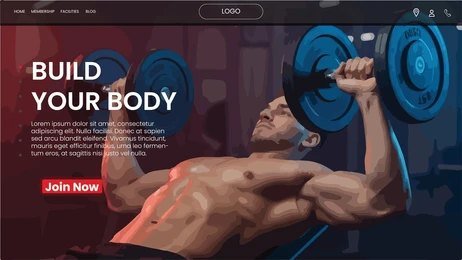
Industry Overview: Why Every Modern Gym Needs a Professional Website
The fitness industry has become increasingly digital. Before visiting a gym, joining a fitness centre, or booking a personal training session, many potential customers first search online to compare facilities, membership options, trainers, reviews, classes, location, and overall brand experience.
For gym owners, this makes a professional gym website more than an online business card. It can function as a digital storefront, membership enquiry platform, class information hub, lead-generation channel, and brand-building tool.
A professionally developed website for gym businesses can help communicate what makes a fitness centre different. High-quality photographs can showcase the facility, trainer profiles can establish credibility, class schedules can communicate available programmes, and enquiry forms can make it easier for visitors to take the next step.
Today, customers may search for terms such as gym website, fitness websites, personal training website, or online fitness coach website before making a decision. A gym that provides a modern, informative, and mobile-friendly online experience can give prospective members the information they need without requiring them to visit the facility first.
For this reason, investing in professional gym website development and gym website design has become an important part of building a strong digital presence for fitness businesses.
A website can also work together with SEO, Google Business Profile optimisation, social media, paid advertising, and lead-generation campaigns. This creates a connected digital ecosystem where potential members can discover a gym, explore its services, understand its membership options, and submit an enquiry.
Current Challenges Faced by Gyms Without a Professional Website
Many gyms rely heavily on social media or offline promotion. While these channels can be useful, depending on them exclusively can create several challenges.
1. Limited Online Visibility
Potential members increasingly use search engines to find gyms and fitness centres in their area. If a gym does not have a properly optimised website, it may have fewer opportunities to appear for relevant searches.
A professionally developed website provides a foundation for search engine optimisation and location-based content.
For example, searches related to gym facilities, personal training, fitness classes, or membership options can lead users toward relevant website pages.
2. Difficulty Communicating Membership Information
A prospective member may want to know:
- What membership plans are available?
- What facilities does the gym offer?
- Are personal trainers available?
- What classes are conducted?
- What are the gym timings?
- Where is the gym located?
- Is there a trial session?
- How can they contact the gym?
If this information is unavailable or difficult to find, potential customers may move to another business.
A well-structured gym company website can organise this information into clear sections, helping visitors understand the business before making an enquiry.
3. Poor First Impression
A gym's website is often one of the first places where potential customers experience its brand.
An outdated website, slow-loading page, poor-quality images, broken links, or confusing navigation can create an inconsistent digital experience.
On the other hand, modern fitness website design can communicate the gym's atmosphere, facilities, professionalism, and fitness philosophy through visual design and structured content.
4. Difficulty Generating Online Leads
Social media followers do not automatically become paying members. Gyms need mechanisms that convert interest into enquiries.
A website can include:
- Membership enquiry forms.
- Trial session forms.
- Personal training enquiries.
- Class booking forms.
- Contact buttons.
- WhatsApp integration.
- Phone-call buttons.
- Consultation requests.
This transforms the website from an information platform into a potential lead-generation channel.
5. Dependence on Third-Party Platforms
Social media platforms are useful, but businesses do not control their algorithms, layouts, or platform policies.
A website provides a digital property that the business can structure around its own services, branding, content, and customer journey.
This is one reason why a professional website design company can become an important technology partner for growing fitness businesses.
6. Difficulty Managing Gym Operations Online
Larger gyms and fitness chains may need more than a simple informational website. They may require member registration, class bookings, trainer schedules, payment functionality, attendance management, or other digital services.
In such cases, a basic website may evolve into a gym management website or an integrated gym management system website.
Key Features Businesses Need in Gym Website Development
A successful gym website should combine attractive design with useful functionality. The objective is not simply to create a visually impressive website but to make it easier for visitors to understand the business and take action.
1. Modern and Responsive Gym Website Design
A modern gym website design should work effectively across:
- Smartphones.
- Tablets.
- Laptops.
- Desktop computers.
Since many users discover businesses through mobile search and social media, mobile responsiveness is particularly important.
A responsive fitness web design should automatically adapt content, images, buttons, navigation, and forms to different screen sizes.
2. Strong Homepage for a Fitness Business
The homepage should quickly communicate:
- What the gym offers.
- Who the services are for.
- Where the gym is located.
- What makes the gym different.
- How visitors can enquire or join.
A strong visual section can showcase the gym environment, while clear calls to action can direct visitors toward membership enquiries, trial sessions, or contact options.
The goal of business website design is to make the first interaction informative while maintaining the brand's visual identity.
3. Membership Plans and Pricing Information
A gym website can present membership options in a clear and organised format.
Depending on the business model, this section may include:
- Monthly memberships.
- Quarterly memberships.
- Half-yearly memberships.
- Annual memberships.
- Personal training packages.
- Group class packages.
- Special promotional offers.
If prices vary based on location, membership type, or promotional periods, the website can explain the relevant conditions rather than presenting misleading fixed pricing.
4. Personal Trainer and Coach Profiles
For many fitness businesses, trainers are an important part of the customer decision-making process.
A personal training website can showcase:
- Trainer photographs.
- Qualifications.
- Areas of expertise.
- Training philosophy.
- Specialisations.
- Experience.
- Available training programmes.
This can help prospective clients understand which training services are available before making an enquiry.
5. Fitness Classes and Timetable
Gyms offering group classes can use their websites to display class information.
Examples include:
- Strength training.
- Yoga.
- Zumba.
- Cross-training.
- HIIT.
- Functional training.
- Pilates.
- Dance fitness.
- Group workout sessions.
A timetable can help visitors understand the available options and encourage them to enquire about registration.
6. Online Booking and Registration
A modern website can include booking functionality where appropriate.
Potential features include:
- Trial session booking.
- Class booking.
- Personal training appointments.
- Consultation scheduling.
- Membership registration.
- Online forms.
For businesses requiring more advanced functionality, the website can connect with a membership or management platform.
7. Gym Management Website Integration
A larger fitness business may require an integrated gym management website that works with its internal operations.
Depending on requirements, a gym management system can potentially support:
- Member registration.
- Membership management.
- Attendance records.
- Trainer management.
- Class scheduling.
- Booking management.
- Payment records.
- Membership renewal reminders.
- Customer information management.
The exact functionality depends on the gym's operational requirements and the technology architecture selected during development.
8. Facility and Equipment Showcase
Fitness is highly visual. Potential members want to understand what they will experience when they visit.
A website can showcase:
- Cardio equipment.
- Strength equipment.
- Functional training areas.
- Group workout spaces.
- Locker facilities.
- Changing rooms.
- Reception areas.
- Other amenities.
High-quality photography and short videos can make this section more engaging.
9. Testimonials and Reviews
Customer testimonials can provide social proof when they represent genuine customer experiences.
A website may feature:
- Written testimonials.
- Video testimonials.
- Google review references.
- Member success stories.
The content should be authentic and should not make unsupported health or fitness claims.
10. Contact and Location Information
A professional website should make contacting the gym easy.
Important information can include:
- Phone number.
- Email address.
- Physical address.
- Opening hours.
- Google Maps integration.
- Social media links.
- WhatsApp contact.
- Enquiry form.
A clear contact section reduces friction for visitors who are ready to enquire.
11. SEO-Friendly Website Structure
A website should be built with search visibility in mind from the beginning.
A suitable structure may include pages for:
- Gym services.
- Personal training.
- Fitness classes.
- Memberships.
- Trainers.
- Facilities.
- About the gym.
- Blog.
- Contact.
This creates opportunities to target relevant search queries while giving visitors more useful information.
How Technology Solves These Problems
Modern website technology can turn a basic gym website into a more interactive business platform.
1. Website Design and Development
Professional website design and development combines visual design with technical functionality.
The design focuses on:
- Brand identity.
- Layout.
- Typography.
- Images.
- Navigation.
- User experience.
The development process handles:
- Responsive behaviour.
- Forms.
- Database connections.
- Booking systems.
- Integrations.
- Security.
- Performance.
Together, these elements create a complete digital platform.
2. Online Membership Systems
Technology can allow potential members to explore membership plans and submit registration requests online.
For gyms with suitable infrastructure, online membership functionality can reduce manual processes and make it easier to manage customer information.
A gym management system website can potentially connect membership registration with administrative processes, depending on the system architecture.
3. Online Class Booking
Fitness businesses offering scheduled classes can integrate booking functionality into their websites.
A visitor could potentially:
- Explore available classes.
- Select a preferred session.
- View availability.
- Submit a booking.
- Receive confirmation.
This can reduce dependence on phone calls and manual scheduling.
4. Payment Gateway Integration
A gym website can potentially integrate online payment systems for membership fees, class bookings, consultation charges, or other approved transactions.
A payment-enabled website should use secure payment infrastructure and follow the applicable requirements of the chosen payment provider.
5. CRM and Lead Management
Website enquiries can be connected to customer relationship management systems.
This can help gym teams track:
- New enquiries.
- Trial requests.
- Membership prospects.
- Follow-up status.
- Conversion stages.
- Renewal opportunities.
This is particularly useful for gyms that receive enquiries from multiple sources.
6. Analytics and Conversion Tracking
Website analytics can provide insights into how visitors interact with the website.
Businesses can evaluate:
- Website traffic.
- Popular pages.
- Traffic sources.
- Form submissions.
- Button clicks.
- Device usage.
- Campaign performance.
These insights can help marketing teams identify areas that need improvement.
7. Integration With Digital Marketing
A professionally developed website can become the destination for traffic generated through:
- Google Search.
- SEO.
- Instagram.
- Facebook.
- Meta Ads.
- Google Ads.
- Email marketing.
- Influencer campaigns.
For example, a gym advertisement can direct a potential customer to a dedicated landing page rather than simply sending them to a social media profile.
A properly designed fitness landing page can focus on a specific offer, such as a trial session, personal training consultation, or membership enquiry.
8. Speed and Mobile Optimisation
Website performance influences user experience. Large image files, excessive scripts, poor hosting, and inefficient code can slow down a website.
Professional web development can address areas such as:
- Image optimisation.
- Responsive layouts.
- Efficient code.
- Browser caching.
- Content delivery.
- Mobile optimisation.
- Performance monitoring.
A faster website can make it easier for users to browse gym services and complete enquiry forms.
Industry Trends in Gym Website Design and Development
The fitness industry's digital presence continues to evolve as customers expect more interactive and convenient online experiences.
1. Mobile-First Fitness Websites
A large percentage of digital interactions occur through smartphones. As a result, mobile-first fitness website design is increasingly important.
Gym websites should make essential information easy to access from smaller screens, particularly:
- Membership options.
- Location.
- Contact information.
- Timetable.
- Booking options.
- Trial forms.
2. Personalised Fitness Experiences
Fitness businesses increasingly offer different programmes for different customer groups.
Websites can organise services according to customer requirements, such as:
- Weight training.
- Personal training.
- Women's fitness.
- Senior fitness.
- Group classes.
- Sports conditioning.
- Beginner programmes.
This can create a more relevant browsing experience.
3. Video-Based Website Content
Video can communicate a gym environment more effectively than static text alone.
Gyms can use:
- Facility walkthroughs.
- Trainer introductions.
- Workout demonstrations.
- Class previews.
- Member testimonials.
- Fitness education videos.
This type of content can also be reused across social media channels.
4. Online Fitness Coaching
The growth of remote fitness services has created demand for digital platforms that support trainers and online programmes.
An online fitness coach website may include:
- Coach profiles.
- Training programmes.
- Consultation booking.
- Online payments.
- Video resources.
- Client forms.
- Training information.
More advanced platforms can connect websites with applications and fitness management systems.
5. Integrated Gym Management Systems
Fitness businesses are increasingly looking for technology that connects marketing, membership, scheduling, and operations.
Instead of treating the website as a separate platform, businesses can integrate it with a broader gym management system where appropriate.
6. Conversion-Focused Landing Pages
Rather than sending every advertising visitor to the homepage, businesses can create dedicated landing pages around specific offers.
For example:
Facebook/Instagram Ad → Fitness Landing Page → Trial Registration → Follow-Up → Membership
This creates a more focused customer journey.
7. Search-Focused Content
Potential members search for more than just gym names. They may search for workout programmes, personal training, fitness classes, membership information, or gyms in specific locations.
A website with useful content can target relevant search intent while demonstrating the business's expertise.
Real Project Example: Fitness Website Design & Digital Presence
BrandIT Consultancy works with businesses that require professional digital experiences combining design, development, and marketing.
For a fitness brand, a website can be structured around the same principles used across modern best fitness websites design: strong visual presentation, clear navigation, service-focused content, mobile responsiveness, and prominent enquiry opportunities.
Creating a Strong Fitness Brand Experience
A fitness business website can begin with a visually engaging homepage that immediately communicates the brand's identity and atmosphere.
The homepage can introduce:
- The gym's core services.
- Key facilities.
- Trainer expertise.
- Membership opportunities.
- Fitness programmes.
- Location.
- Contact options.
Presenting Fitness Services Clearly
Instead of presenting all information on a single page, the website can separate services into logical sections.
For example:
Gym Training → Personal Training → Fitness Classes → Memberships → Trainers → Facilities → Contact
This structure makes it easier for visitors to find the information relevant to them.
Building a Lead-Generation Journey
A fitness website can also be designed around the customer journey:
Search/Social Media → Website → Service Page → Membership/Trial Offer → Enquiry → Follow-Up
This transforms the website from a static information source into an active business-development tool.
Supporting Future Growth
As the fitness business expands, the website can potentially be extended with:
- Online booking.
- Membership registration.
- Payment integration.
- Trainer dashboards.
- Class schedules.
- Member portals.
- Gym management functionality.
This makes custom gym website development particularly useful for businesses that expect their digital requirements to grow over time.
FAQ: Gym Website Development & Design
1. Why does a gym need a professional website?
A professional gym website gives potential members a central place to learn about the gym, explore facilities, understand membership options, view trainers, check classes, and submit enquiries.
It can also support SEO, advertising, social media campaigns, and lead generation.
2. What should a gym website include?
A professional gym website can include:
- Homepage.
- About the gym.
- Membership plans.
- Fitness classes.
- Personal training.
- Trainer profiles.
- Facilities.
- Gallery.
- Testimonials.
- Blog.
- Contact page.
- Location and map.
- Enquiry forms.
- Booking functionality.
Advanced businesses may also require membership and management functionality.
3. How much does gym website development cost?
The cost depends on the scope and functionality required.
A basic informational website for gym may cost less than a custom platform with membership registration, booking, payment integration, user accounts, dashboards, and a gym management system website.
The final cost depends on:
- Number of pages.
- Design complexity.
- Custom functionality.
- Booking requirements.
- Payment integrations.
- Database requirements.
- Third-party integrations.
- Admin dashboard requirements.
- Maintenance requirements.
4. Can a gym accept memberships through its website?
Yes. A gym website can be developed with online membership enquiry or registration functionality.
Depending on the business requirements, it may also support online payments and membership management integrations.
5. Can a gym website have an online booking system?
Yes. A custom gym booking website can allow customers to book classes, trial sessions, consultations, or personal training appointments.
The exact booking workflow depends on the gym's operating model.
6. Can a gym website connect to a gym management system?
Yes. Depending on the software architecture, a website can connect with a gym management system or other third-party platforms through APIs or other integration methods.
This can help synchronise information such as memberships, bookings, schedules, or customer records.
7. Is a website useful for personal trainers?
Yes. A personal training website can help trainers present their qualifications, services, programmes, testimonials, availability, and contact information.
For online coaches, an online fitness coach website can also provide a platform for consultations, programmes, bookings, and digital resources.
8. Can a gym website be optimised for Google?
Yes. A website can be developed with SEO-friendly architecture and content.
SEO for gym websites can involve:
- Keyword research.
- Page optimisation.
- Technical SEO.
- Local SEO.
- Content creation.
- Image optimisation.
- Internal linking.
- Google Business Profile optimisation.
Search visibility depends on competition, location, website quality, content, authority, and ongoing optimisation.
9. Should a gym choose a website builder or custom development?
The right option depends on the business's requirements.
A website builder can be suitable for businesses that need a relatively simple website with standard functionality. Custom development may be more appropriate when the business requires unique booking workflows, membership systems, integrations, dashboards, or specialised functionality.
A custom gym website development approach can provide greater flexibility but may require more development time and investment.
10. Can a gym website be integrated with social media?
Yes. A website can include links, social media feeds where technically appropriate, social sharing features, and campaign landing pages.
Social media advertisements can also direct users to dedicated website pages designed around specific offers.
11. Is mobile responsiveness important for a gym website?
Yes. Visitors may discover a gym through mobile search, Instagram, Facebook, advertisements, or messaging platforms. A responsive website ensures that pages, images, buttons, menus, and forms work effectively across different screen sizes.
12. Can BrandIT develop a gym website in Kolkata?
Yes. BrandIT Consultancy provides website design and development services for businesses in Kolkata and other locations.
Businesses looking for a gym website development company in Kolkata, gym website design in Kolkata, or fitness website development company in Kolkata can discuss their requirements with BrandIT to determine the appropriate website structure and functionality.
Why Choose BrandIT for Gym Website Development?
Choosing the right development partner is important because a gym website needs to balance visual design, usability, functionality, performance, and business objectives.
1. Design and Development Under One Roof
BrandIT combines creative design and technical development capabilities, allowing businesses to approach website projects as complete digital experiences rather than isolated design tasks.
Our services can cover:
- Website design
- Website development
- Website design and development
- Custom web development
- Business website development
- Digital marketing
- SEO
- Social media marketing
- Graphic design
- Branding
2. Custom Website Solutions
Every gym has different requirements. A local fitness studio may need a simple website, while a larger gym may require memberships, bookings, payment integration, and management functionality.
BrandIT can develop solutions based on the specific requirements of the business rather than relying only on a standard template.
3. Fitness-Focused User Experience
A gym website should visually communicate energy, professionalism, fitness, and trust while remaining easy to navigate.
The design can focus on:
- Strong visual hierarchy.
- High-quality imagery.
- Clear calls to action.
- Easy navigation.
- Mobile responsiveness.
- Membership visibility.
- Trainer presentation.
- Facility showcases.
4. SEO-Friendly Website Development
A website should be built with search visibility in mind from the beginning.
BrandIT can integrate SEO considerations into the development process, including page structure, responsive design, technical performance, metadata, content structure, and search-focused landing pages.
5. Kolkata-Based Website Development Services
Businesses looking for a website development company in Kolkata can work with BrandIT Consultancy for website design, development, digital marketing, and related creative requirements.
BrandIT can support businesses looking for website development services in Kolkata, web development company in Kolkata, and custom digital solutions.
6. Scalable Technology
A website does not necessarily have to remain static. As the gym grows, additional functionality can be introduced.
A project can potentially evolve from:
Basic Website → Membership Website → Booking Platform → Management System → Integrated Digital Ecosystem
This approach allows technology to develop alongside the business.
Conclusion: Turn Your Gym Website Into a Digital Growth Platform
For a modern fitness business, a website can be much more than a digital brochure. A professionally designed and developed platform can showcase the gym, communicate its services, introduce trainers, present membership options, generate enquiries, support bookings, and connect with broader digital marketing campaigns.
Investing in professional gym website development and gym website design can give fitness businesses a stronger foundation for online visibility and customer engagement.
From a simple gym company website to a complete gym management website, the right technology can be scaled according to the business's current requirements and future plans.
A successful fitness website should combine attractive website design, reliable web development, useful functionality, mobile responsiveness, SEO-friendly architecture, and a clear customer journey.
For gyms looking for a gym website development company, gym web design company, or website development services, BrandIT Consultancy can help create a digital platform designed around the business's brand, services, customers, and growth objectives.
Your gym deserves a website that works as hard as your business. Build a professional digital presence with BrandIT Consultancy and turn online visitors into meaningful membership enquiries.
More Articles

Custom Website Development: A Step-by-Step Guide for Small Businesses
Custom web development enables small businesses to create unique online presences tailored to their specific needs and goals, instead of relying on pre-made templates. In addition, this comprehensive ...
Read all
What are the major components of Digital Marketing?
Why digital marketing?Every marketing strategy also includes a digital plan of action within it. Without factoring it in, no marketing goal can be executed now. When you include it, you get a wholesom...
Read all
How SEO works for business
The Power of SEO in Business: A Comprehensive GuideIn the continuously evolving landscape of digital marketing, the competition to stand out is fierce. Amidst this digital crowd, how does one ensure t...
Read all
Social Media and SEO Services: How Integrated Digital Marketing Improves Brand Visibility and Organic Growth
Industry Overview: Why Social Media SEO and SEO and Social Media Marketing Services Are Essential for Modern BusinessesThe digital landscape has transformed the way businesses connect with customers. ...
Read all
HTTPS Website Security: How Secure Websites Build Trust, Improve SEO, and Protect Customer Data
HTTPS Website Security and the Growing Importance of Secure Website DevelopmentAs businesses continue to move online, website security has become one of the most critical aspects of maintaining custom...
Read all
Why site speed is significant in web design
Why Site Speed Is Significant in Web DesignIn today’s fast-paced digital world, patience is scarce — and your website has only seconds to make an impression. A slow-loading site doesn’t just cos...
Read all
Responsive Website Development: How Modern Businesses Improve User Experience and Generate More Leads
Responsive Website Development and the Growing Importance of Mobile-Friendly Digital ExperiencesThe way customers interact with businesses online has changed dramatically over the last decade. Today, ...
Read all
Flutter App Development: Why Businesses Choose Cross-Platform Mobile Apps in 2026
Industry Overview: The Rise of Flutter App Development and Cross Platform Mobile App DevelopmentMobile applications have become one of the most important tools for business growth, customer engagement...
Read all
Importance of User Experience(UX) in Apps
Why UX is Your App's Secret Weapon for SuccessIn today's crowded app stores, a brilliant app idea isn't enough. What truly differentiates a winning mobile app is its user experience (UX). ...
Read all