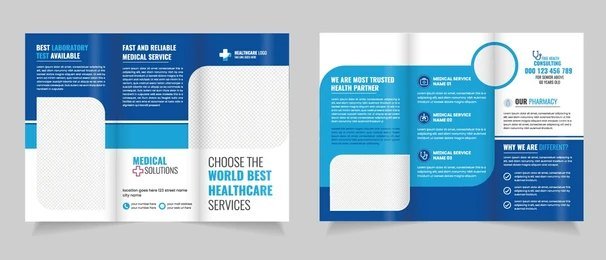
1. Industry Overview: The Growing Importance of Medical and Healthcare Brochure Design
In the healthcare industry, trust plays a significant role in how patients choose doctors, hospitals, dental clinics, diagnostic centres, and other medical service providers. Before scheduling an appointment or selecting a treatment, patients often look for information about available services, medical facilities, specialists, treatment procedures, and the overall credibility of a healthcare organisation.
While websites and social media platforms have become important communication channels, printed and digital brochures continue to be effective tools for presenting healthcare information in a structured and professional manner.
This is where medical brochure design becomes important. A thoughtfully designed brochure allows healthcare businesses to communicate their services, introduce their medical professionals, highlight their facilities, and provide essential information in an organised format.
Unlike ordinary promotional materials, healthcare brochure design requires a careful balance between visual appeal, readability, accuracy, and professionalism. The design should make medical information easy to understand while maintaining the credibility expected from a healthcare brand.
Different healthcare businesses may require different types of brochures:
Doctor brochure design: Introduces doctors, their qualifications, specialisations, experience, and consultation services.
Hospital brochure design: Presents hospital departments, medical facilities, treatment services, infrastructure, and available specialities.
Dental brochure design: Communicates dental treatments, clinic facilities, oral healthcare services, and appointment information.
Medical product brochure design: Highlights the features, specifications, and applications of medical products.
Medical equipment brochure design: Presents equipment specifications, functionality, technical information, and product benefits.
Clinic brochure design: Introduces clinic services, doctors, facilities, operating hours, and contact information.
Whether it is a printed brochure distributed among patients or a digital brochure shared through email and messaging platforms, professional design can help healthcare organisations create a consistent brand identity.
For hospitals, clinics, dentists, and medical businesses, investing in medical brochure design services is not simply about creating an attractive document. It is about communicating expertise, improving information accessibility, and creating a positive first impression.
2. Current Challenges in Medical and Dental Brochure Design
Healthcare businesses often have detailed information to communicate. However, presenting medical services in a way that is visually appealing, understandable, and professionally organised can be challenging.
A poorly structured brochure may overwhelm readers, hide important information, or fail to communicate the organisation's strengths.
Here are some common challenges that healthcare businesses face when developing brochures.
A. Presenting Complex Medical Information
Medical services often involve specialised terminology, treatment descriptions, technical details, and healthcare procedures. Including too much information without proper organisation can make a brochure difficult to read.
Effective medicine brochure design should simplify the presentation of information through clear headings, concise descriptions, appropriate illustrations, and structured layouts.
The goal is to make information accessible without compromising its accuracy.
B. Building Patient Trust Through Visual Communication
Patients often associate professional presentation with the credibility of a healthcare provider. Inconsistent colours, poor-quality images, cluttered layouts, and unreadable typography can weaken the overall impression of a medical brand.
A professional doctor brochure design should communicate reliability, expertise, and clarity through its visual language.
C. Differentiating a Healthcare Brand
Hospitals and clinics may offer similar services, making it important to communicate what makes each organisation distinctive.
A generic brochure may fail to highlight a healthcare provider's specialisations, facilities, treatment approach, or patient-focused services.
A well-planned brochure design for hospital should establish a clear brand identity while communicating the organisation's unique strengths.
D. Organising Multiple Services in Limited Space
Hospitals and multispeciality clinics often need to communicate several departments, medical services, facilities, and specialist profiles within a limited number of pages.
Without proper content hierarchy, important information can get lost.
Professional medical leaflet design and brochure layouts help organise content into readable sections, making it easier for patients to locate relevant information.
E. Choosing the Right Brochure Format
Different healthcare businesses have different communication requirements. A small dental clinic may need a compact service brochure, whereas a multispeciality hospital may require a detailed corporate profile.
Choosing the wrong format can affect readability and presentation.
Some commonly used formats include:
Bi fold brochure: A simple format with one fold, creating four panels for organised information.
Tri fold brochure: A three-panel folded format suitable for presenting multiple services in a compact layout.
Single fold brochure: A straightforward format for communicating essential information.
Custom trifold brochure: A customised three-panel layout designed around specific branding and content requirements.
Square trifold brochure: A distinctive format that can help a healthcare brand create a more visually interesting presentation.
Selecting the right format is an important part of successful brochure design services.
3. Key Features Businesses Need in Professional Medical Brochure Design
A professional healthcare brochure should do more than display information. It should guide readers through the content, communicate the brand's identity, and make essential details easy to understand.
Whether a business needs a hospital profile, dental service brochure, doctor introduction, or medical product catalogue, certain design elements are essential.
A. Clear Content Hierarchy
The information should be arranged in a logical order so readers can quickly identify the most important details.
A professional brochure may include:
Brand name and logo.
Introduction to the hospital, clinic, or healthcare organisation.
Medical departments and specialisations.
Doctor profiles and qualifications.
Treatment and diagnostic services.
Facilities and infrastructure.
Patient information.
Contact details and appointment information.
An effective health brochure design uses headings, subheadings, visual sections, and appropriate spacing to improve readability.
B. Professional Typography and Colour Selection
Typography and colour influence how people perceive a healthcare brand.
A medical brochure should use readable fonts, consistent typography, and a suitable colour palette. The design should feel clean, organised, and aligned with the brand's identity.
For example:
Blue can communicate reliability and professionalism.
Green can create associations with wellness and care.
White can create a clean and uncluttered appearance.
Soft neutral colours can support a calm and welcoming visual experience.
The colour palette should always complement the organisation's existing branding rather than follow trends blindly.
C. High-Quality Images and Visual Elements
Images help communicate healthcare services more effectively. However, they should be selected carefully to maintain a professional and trustworthy appearance.
Depending on the brochure's purpose, visual elements may include:
Hospital infrastructure photographs.
Doctor and specialist portraits.
Dental treatment images.
Medical equipment photographs.
Healthcare-related illustrations.
Icons representing different medical services.
For example, dental clinic brochure design may include images of treatment facilities, dental equipment, and clinic interiors to introduce patients to the environment.
D. Service-Specific Content
A brochure should communicate information relevant to its intended audience.
A hospital brochure may focus on departments and medical facilities, whereas a dental brochure may highlight treatments such as:
General dentistry.
Root canal treatment.
Dental implants.
Teeth whitening.
Orthodontic treatment.
Preventive dental care.
Effective dental brochure design presents these services in a structured manner, allowing potential patients to understand the clinic's offerings.
E. Consistent Branding
Every design element should work together to create a recognisable brand identity.
This includes:
Logo placement.
Brand colours.
Typography.
Image style.
Layout consistency.
Contact information.
Overall visual language.
A consistent approach helps healthcare organisations maintain a professional identity across their brochures, websites, social media, and other marketing materials.
F. Print-Ready and Digital-Friendly Design
Modern healthcare businesses often require brochures in both printed and digital formats.
A professional brochure design and printing process should consider:
Correct page dimensions.
Proper margins and bleed.
High-resolution images.
Suitable colour settings for printing.
Readable text sizes.
Export settings for digital sharing.
Appropriate file formats.
A brochure should maintain its visual quality whether it is printed and distributed at a clinic or shared digitally with prospective patients.
4. How Technology and Design Solve These Problems
Modern design tools and digital technologies have changed the way brochures are planned, created, distributed, and updated.
A professional brochure design company combines creative thinking with digital design tools to produce marketing materials that are visually consistent, functional, and aligned with business objectives.
A. Digital Design Tools Improve Creative Possibilities
Professional graphic design software allows designers to create detailed layouts, custom illustrations, visual compositions, and consistent brand elements.
These tools help transform complex healthcare information into organised visual content.
Through professional creative medical brochure design, healthcare organisations can communicate their services in a more engaging and structured way.
B. Custom Layouts Improve Information Accessibility
Every healthcare business has different communication requirements. Custom layouts allow designers to arrange information according to the number of services, content length, and target audience.
For example:
A dental clinic may need a compact service-focused brochure.
A hospital may require a multi-page institutional profile.
A doctor may need a personal profile brochure.
A medical equipment company may require a technical product catalogue.
This is why unique brochure design is often more effective than relying on generic templates.
C. Digital Brochures Make Information Easier to Share
Digital brochures allow healthcare organisations to distribute information through websites, email, social media, and messaging applications.
They can be shared with patients before appointments, used during online enquiries, or made available for download from a website.
A well-designed digital medical brochure helps businesses maintain a consistent presentation across online communication channels.
D. QR Codes Connect Printed Brochures With Digital Platforms
QR codes can create a connection between physical marketing materials and digital healthcare services.
For example, a brochure may include a QR code that directs readers to:
The hospital website.
Online appointment booking.
Doctor profiles.
Location and directions.
Service information.
Contact or enquiry forms.
This helps healthcare businesses make their printed brochures more interactive and useful.
E. Customised Design Supports Better Brand Communication
A professional design approach considers the target audience, brand positioning, communication objectives, and content requirements before the actual layout is created.
Through customised brochure design services, businesses can communicate their identity more effectively instead of using a generic visual format.
5. Industry Trends in Medical, Dental and Healthcare Brochure Design
The design industry continues to evolve as healthcare businesses adapt to changing patient expectations and digital communication habits.
Several trends are influencing modern creative brochure design.
A. Minimalist and Modern Layouts
Modern brochures increasingly focus on clean layouts, readable typography, structured information, and purposeful use of white space.
Instead of overcrowding every page with information, designers use visual hierarchy to guide readers through the content.
This approach supports modern brochure design and makes healthcare information easier to navigate.
B. Digital and Interactive Brochures
Healthcare organisations are increasingly using digital brochures alongside printed materials.
Interactive PDFs, clickable contact information, embedded links, and QR codes can make brochures more convenient to access and share.
C. Patient-Centred Visual Communication
Healthcare communication is gradually placing greater emphasis on patient understanding and accessibility.
Brochures are being designed with clearer explanations, approachable imagery, and simplified content structures.
The aim is to make healthcare services easier to understand while maintaining a professional brand image.
D. Customised and Creative Brochure Formats
Businesses are moving beyond conventional layouts to create marketing materials that reflect their brand identity.
Creative covers, customised folding styles, distinctive typography, and structured visual storytelling can help brochures stand out.
For example, creative brochure cover design can establish a strong first impression before readers explore the detailed information inside.
E. Consistency Across Online and Offline Branding
Healthcare organisations need consistent branding across their websites, brochures, advertisements, social media, and other communication channels.
This makes coordinated graphic design and brand identity development increasingly important.
A professionally designed brochure should complement the organisation's existing visual identity.
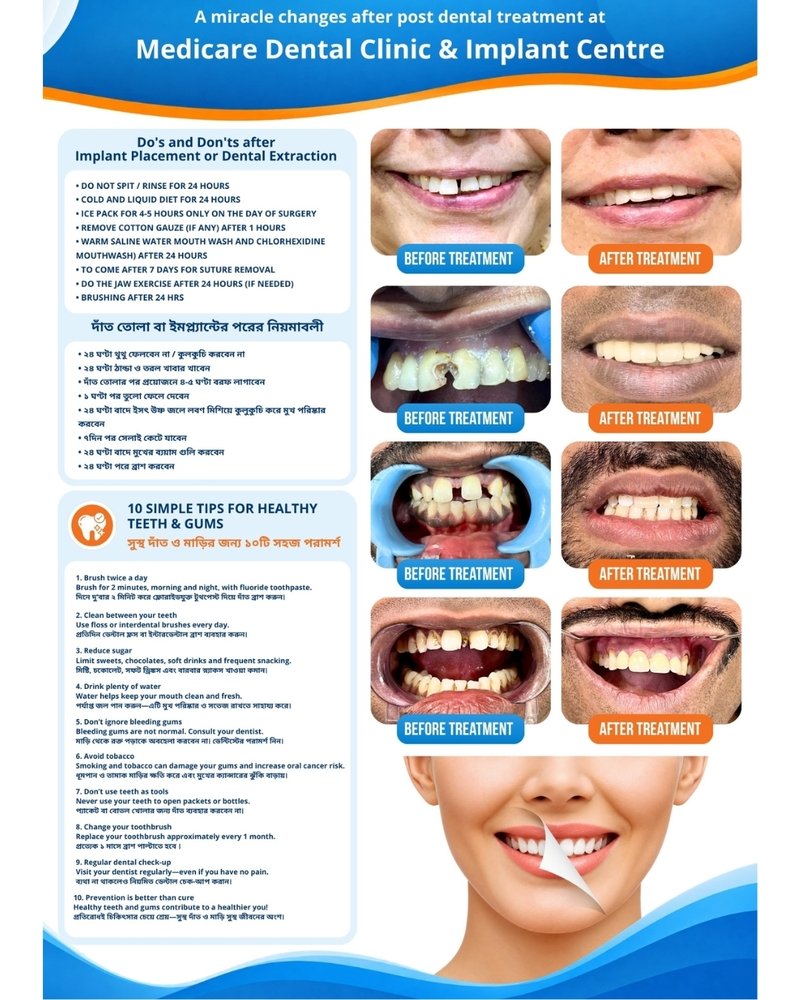
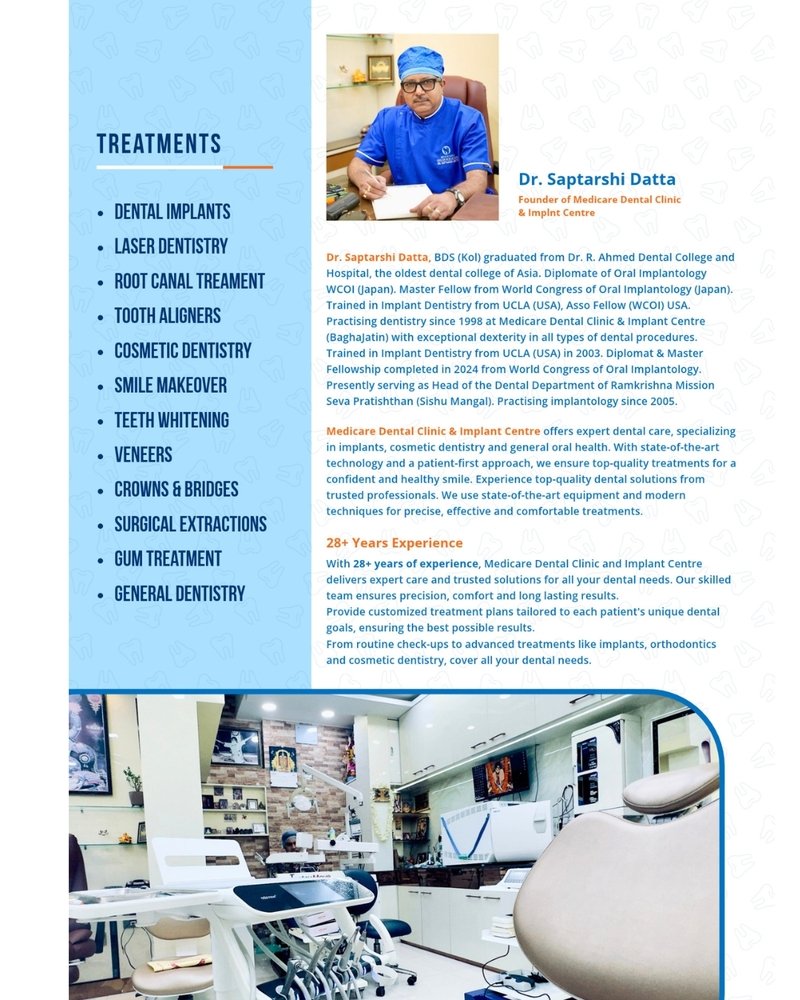
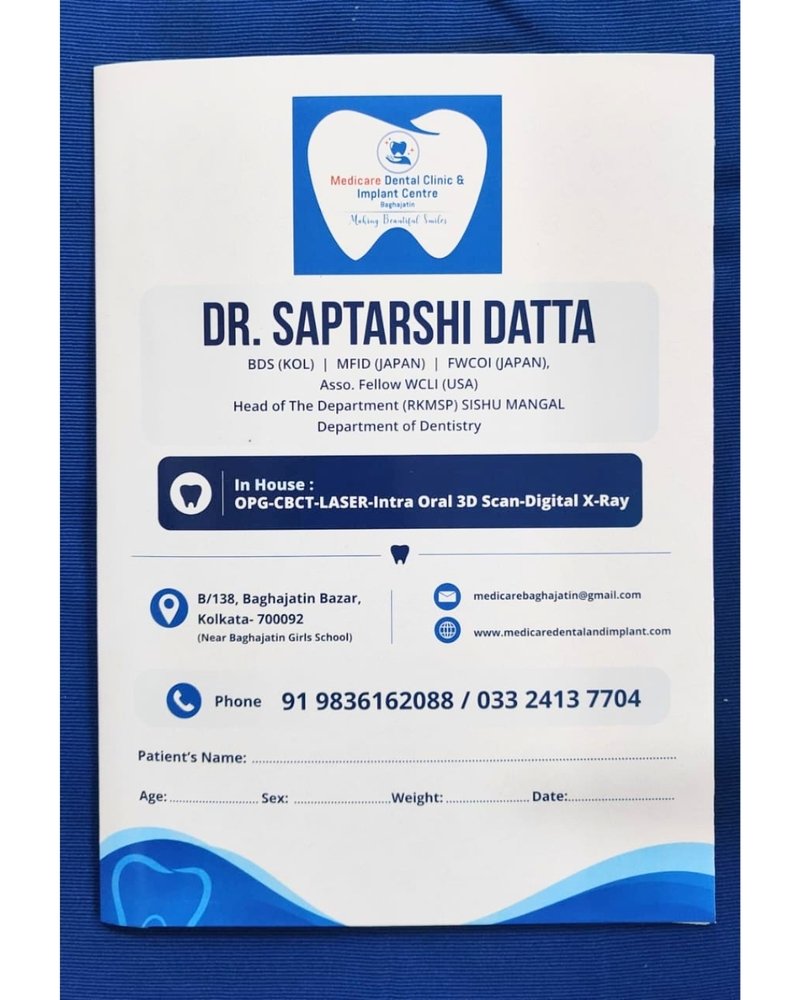
6. Real Project Example: BrandIT's Medical and Dental Brochure Design Project
At BrandIT Consultancy, we understand that every design project begins with a communication objective. A brochure should not simply look attractive; it should present information in a way that reflects the brand's identity and connects with its intended audience.
For one of our clients, we worked on a medical/dental brochure design project with the objective of creating a professional and organised presentation of healthcare-related information.
The project involved translating the client's requirements into a structured brochure layout that could communicate medical and dental services through a combination of content and visual elements.
The key considerations behind the design included:
Professional presentation: Maintaining a clean and credible visual appearance suitable for the healthcare sector.
Information organisation: Arranging the content into clearly identifiable sections.
Visual hierarchy: Using typography, spacing, and layout elements to make information easier to follow.
Brand consistency: Ensuring that the overall presentation supports the client's professional identity.
Brochure structure: Creating a layout that presents the information in a cohesive and engaging manner.
The project reflects our approach to creative medical brochure design, where the focus is on combining visual communication with the practical requirements of the business.
For healthcare organisations, the right brochure can become a useful communication asset for introducing services, sharing essential information, and maintaining a consistent brand presentation.
Explore the actual brochure design project in our portfolio:
https://branditconsultancy.in/portfolio_details.php?id=55&title=Brochure
7. Frequently Asked Questions About Medical and Dental Brochure Design
Q1. What is medical brochure design?
Medical brochure design is the process of creating professional marketing and informational materials for hospitals, doctors, clinics, diagnostic centres, and other healthcare organisations.
It involves organising healthcare-related information through appropriate layouts, typography, colours, images, and branding elements.
Q2. Why does a hospital or clinic need a professional brochure?
A professionally designed brochure helps hospitals and clinics present their services, introduce medical professionals, communicate facilities, and share essential information with patients.
It also supports consistent brand communication across printed and digital platforms.
Q3. What information should a medical brochure include?
Depending on the purpose, a medical brochure may include:
Healthcare organisation introduction.
Medical departments and specialisations.
Doctor profiles and qualifications.
Treatment and diagnostic services.
Hospital or clinic facilities.
Operating hours.
Appointment information.
Address and contact details.
The content should be accurate, relevant, and easy to understand.
Q4. What is the difference between a bi-fold and tri-fold brochure?
A bi fold brochure has one fold, creating four panels, while a tri fold brochure has two folds, creating six panels.
A bi-fold format may work well for a simple company or clinic introduction, whereas a tri-fold format can accommodate multiple service sections in a compact presentation.
The right choice depends on the amount of content and the intended use.
Q5. How much does brochure design cost?
The brochure design cost depends on several factors, including:
Number of pages or panels.
Complexity of the design.
Amount of content.
Custom illustrations and graphics.
Image requirements.
Design revisions.
Printing specifications, if printing is included.
A customised multi-page hospital brochure will generally involve different requirements from a simple clinic leaflet. The final estimate should be based on the project scope.
Q6. Can a medical brochure be designed for both print and digital use?
Yes. A brochure can be designed for professional printing as well as digital distribution.
The print version requires appropriate dimensions, bleed, margins, and print-ready resolution. The digital version can be optimised for screen viewing and online sharing.
Q7. Can you design brochures for dental clinics and individual doctors?
Yes. Brochures can be customised for dental clinics, individual doctors, hospitals, diagnostic centres, and other healthcare professionals.
A dentist brochure design can highlight specialisations, treatments, clinic facilities, and appointment information, while a doctor profile brochure can focus on qualifications, experience, and consultation services.
Q8. What makes a brochure design effective?
An effective brochure combines:
Clear and relevant content.
Professional typography.
Appropriate colour combinations.
High-quality images.
Consistent branding.
Logical information hierarchy.
Readable layouts.
Clear contact information.
The objective is to help readers understand the organisation and its services without unnecessary visual or informational clutter.
Q9. How do I choose the right brochure design company?
Before selecting a design partner, consider:
Previous brochure design projects.
Experience with corporate and healthcare branding.
Quality of layouts and typography.
Ability to understand your requirements.
Customisation capabilities.
Print and digital design knowledge.
Communication and revision process.
Reviewing a company's portfolio is a useful way to understand its creative approach and design capabilities.
8. Why Choose BrandIT Consultancy for Medical and Dental Brochure Design?
Choosing the right design partner is important when creating marketing materials for a healthcare organisation. The brochure should reflect the professionalism of the business, communicate its services clearly, and maintain a consistent brand identity.
At BrandIT Consultancy, we focus on understanding the purpose of each design project before developing its visual direction.
Whether you are a doctor, dentist, hospital administrator, clinic owner, or medical business, we aim to create brochure designs that align with your communication requirements.
Our Design Capabilities Include:
Custom Brochure Design: We create brochure layouts based on your content, branding, target audience, and communication objectives.
Medical and Dental Brochure Design: We design healthcare-focused brochures that present medical services, specialisations, and organisational information in a structured format.
Corporate Brochure Design: We help businesses communicate their company profile, services, capabilities, and brand identity through professional brochures.
Creative Graphic Design: We combine typography, colour, imagery, and layout techniques to develop visually engaging marketing materials.
Catalogue and Marketing Material Design: We create structured catalogues, promotional materials, and other business communication assets.
Print and Digital Design: We prepare designs suitable for physical printing as well as digital distribution.
Why Work With BrandIT?
Business-focused creative approach.
Customised design solutions.
Attention to layout and readability.
Consistent visual branding.
Professional design presentation.
Design solutions aligned with your requirements.
If you are searching for a brochure design company that understands the importance of professional brand communication, BrandIT Consultancy can help you create marketing materials that represent your business effectively.
Businesses looking for brochure designing company in Kolkata, custom brochure design in Kolkata, or a professional graphic design company in Kolkata can connect with our team to discuss their requirements.
9. Conclusion: Build Patient Confidence With Professional Healthcare Brochure Design
In the healthcare industry, communication is an important part of building lasting relationships with patients. A well-designed brochure can help hospitals, clinics, doctors, and dental practices introduce their services, communicate essential information, and establish a professional brand identity.
From hospital brochure design and dental brochure design to medical product catalogues and healthcare marketing materials, every brochure should be designed around its intended audience and communication goals.
The right combination of content, typography, colours, imagery, and layout can transform an ordinary document into a valuable business communication tool.
At BrandIT Consultancy, we believe that effective design should communicate more than information. It should reflect the identity, values, and professionalism of the business behind it.
If you are planning to create a new medical brochure, redesign your existing healthcare marketing materials, or develop a professional dental clinic brochure, our team can help bring your ideas to life.
Give your healthcare brand a more professional identity with thoughtfully designed brochures by BrandIT Consultancy.
Explore our brochure design portfolio:
https://branditconsultancy.in/portfolio_details.php?id=55&title=Brochure
More Articles
Custom Website Development: A Step-by-Step Guide for Small Businesses
Custom web development enables small businesses to create unique online presences tailored to their specific needs and goals, instead of relying on pre-made templates. In addition, this comprehensive ...
Read all
What are the major components of Digital Marketing?
Why digital marketing?Every marketing strategy also includes a digital plan of action within it. Without factoring it in, no marketing goal can be executed now. When you include it, you get a wholesom...
Read all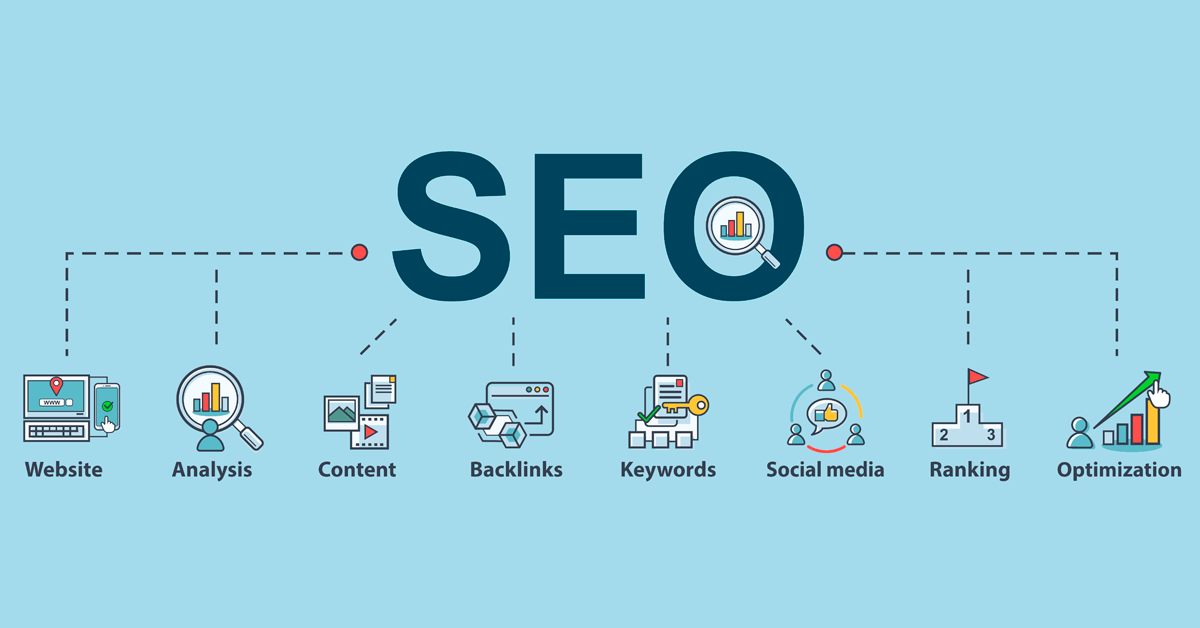
How SEO works for business
The Power of SEO in Business: A Comprehensive GuideIn the continuously evolving landscape of digital marketing, the competition to stand out is fierce. Amidst this digital crowd, how does one ensure t...
Read all
Social Media and SEO Services: How Integrated Digital Marketing Improves Brand Visibility and Organic Growth
Industry Overview: Why Social Media SEO and SEO and Social Media Marketing Services Are Essential for Modern BusinessesThe digital landscape has transformed the way businesses connect with customers. ...
Read all
HTTPS Website Security: How Secure Websites Build Trust, Improve SEO, and Protect Customer Data
HTTPS Website Security and the Growing Importance of Secure Website DevelopmentAs businesses continue to move online, website security has become one of the most critical aspects of maintaining custom...
Read all
Why site speed is significant in web design
Why Site Speed Is Significant in Web DesignIn today’s fast-paced digital world, patience is scarce — and your website has only seconds to make an impression. A slow-loading site doesn’t just cos...
Read all
Responsive Website Development: How Modern Businesses Improve User Experience and Generate More Leads
Responsive Website Development and the Growing Importance of Mobile-Friendly Digital ExperiencesThe way customers interact with businesses online has changed dramatically over the last decade. Today, ...
Read all
Flutter App Development: Why Businesses Choose Cross-Platform Mobile Apps in 2026
Industry Overview: The Rise of Flutter App Development and Cross Platform Mobile App DevelopmentMobile applications have become one of the most important tools for business growth, customer engagement...
Read all
Importance of User Experience(UX) in Apps
Why UX is Your App's Secret Weapon for SuccessIn today's crowded app stores, a brilliant app idea isn't enough. What truly differentiates a winning mobile app is its user experience (UX). ...
Read all